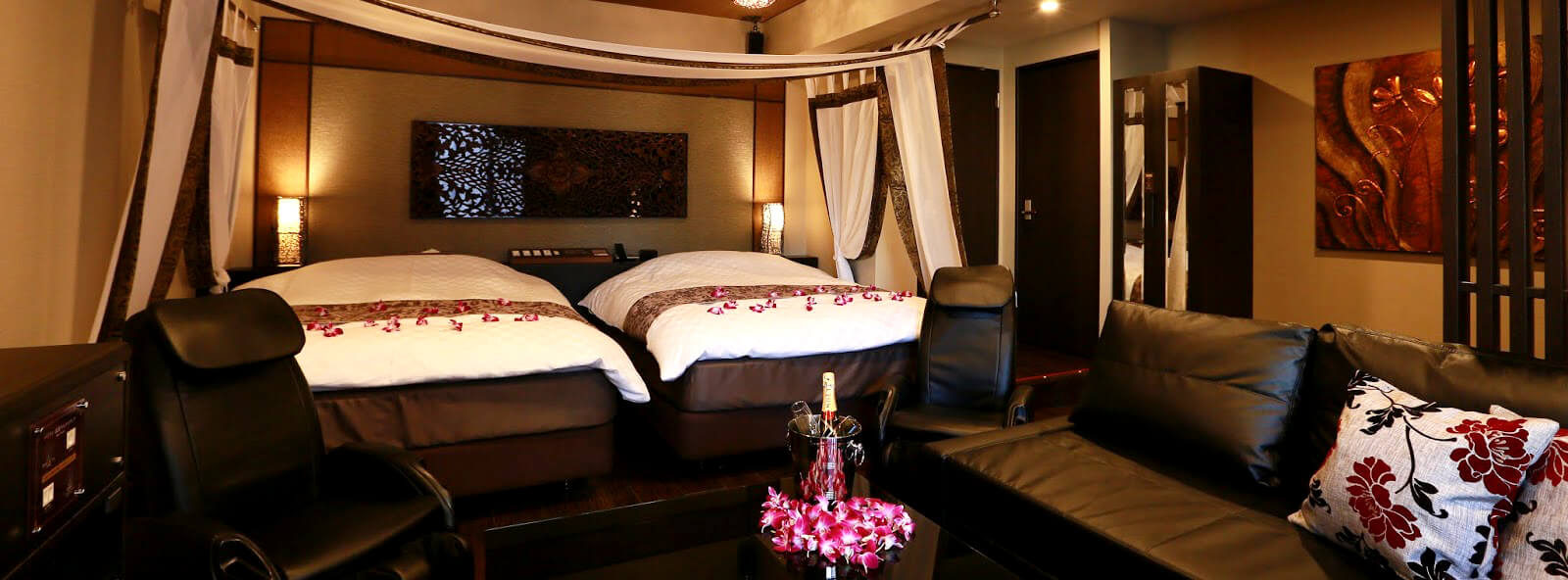
このページは女性の秘密の性欲解消癒やしの部屋の予約・連絡・依頼専用ページです。
愛知県、岐阜県、三重県、大阪、東京、神奈川、埼玉をメインに日本全国から来られる女性の欲求解消、他で効果がなかった方の 開発、セックスレス解消、悩みのカウンセリング、身体の感度チェック、膣の締まり具合のチェック、中イキ開発、
クリイキ開発、乳首イキ開発の依頼に20件〜47件/毎月ほど対応していますがすべての依頼に対応しているわけではありません。この人なら受けてもいいと思った場合、こちらに負担が少ないと思った場合のみ受けています。
当サービスは無料で行っており付き合いが長くなると積極的にこちらの空き日を確認してもらって予定を合わせてくれてホテルまで選んで予約してくれる方が多いためなんとか活動を続けられています。
中イキ開発・クリイキ開発、乳首イキ開発は結果を出すことを最優先に真剣に取り組んでいます。
何回も利用されている方でも、こちらから次回の対応などを打診することはなくLINEやカカオトークから次回対応の予約されてきた依頼に対して対応しています。
丁寧な内容でいただいた依頼については秘密厳守で1つ1つ丁寧に対応しています。
- されたいこと
- 悩み(悩みなどがあれば)
- 年齢(たいだいでいいです)
- 身長
- 体型(痩せ方/標準体型/少しぽっちゃり/ぽっちゃり)
- 希望の対応日と対応時間(複数候補くれると助かります)
- 希望場所(どのホテルがいいのか教えて下さい)
- クリイキ経験の有無
- 中イキ経験の有無
- サイト上での日記としての掲載希望(希望/希望しない)
※これらの情報が一切ない依頼内容はアシスタントにより対応不可とされる場合がありますのでお気をつけください。
いただく依頼全件に対応できているわけではなくすでに予約が埋まっている場合や、依頼内容によってはお断りさせていただくことがあります。
負担の少ない依頼だけ受けるようにしているため、予定の調節や依頼される方の情報が殆どない場合はアシスタントの方が対応不可と判断していてゆうにはなにも伝わっていないことも多々ありるようですが….笑
当サイトの依頼者は全体の半数以上が彼氏持ち、既婚者の方となっています。
プライバシーを考慮し、既婚の方や彼氏がいる方の対応日記は基本書かないようにしています。
日記にする場合は本人が希望した場合、個人が特定されないようにモザイク処理を必ず行っています。基本は、写真も撮らずにホテル待ち合わせホテル解散となっています。
エッチなことなしでお出かけしたりご飯行ったり温泉いったりということも多いです。
複数の依頼・複数の人に同時進行で対応していて
同時進行で開発を進めるため
事前予約制(※一部深夜の時間を除く)にしています。
ここ3ヶ月の傾向は愛知、岐阜、三重、東京、神奈川の
30〜40代の既婚の方の依頼が多くを占めています。
予約はLINE・カカオトーク・予約フォーム・サイト内のコメント欄からゆる〜く受け付けています。面倒だと思った依頼はお断りさせていただくことがあります笑
東京方面などから新幹線や飛行機で来られるかたへ
三重県に引っ越してきてから東京、神奈川、千葉などから
三重まで小旅行もかねて来られる方も多くいます。
せっかく富士山も見えるルートですので天気が良い日に来られるといいと思っています。
もし当日に雨などの天気が悪い場合はまた別日の天気の良さそうな日に調節しますので
前日または当日にご連絡ください!
予約方法
以下のQRコードまたはID検索から友達登録をして依頼内容と希望日を伝えて貰えれば、予定を確認して対応可能な日時を返信させていただきます。
- LINEアプリで予約: QRコードから友達追加して「希望日」「希望時間」「してほしいこと」「希望場所(希望ホテルまたは部屋対応希望など)」を添えてご連絡ください
- カカオトークのアプリで予約: QRコードから友達追加して「希望日」「希望時間」「してほしいこと」「希望場所(希望ホテルまたは部屋対応希望など)」を添えてご連絡ください
- 予約フォームからの予約: こちらの予約フォームから必要事項を入力、選択して送信ください。
- サイト内のコメント欄から予約: サイト内のコメント欄から「希望日」「希望時間」「してほしいこと」などを添えてご連絡ください。ただし誰か特定ないことがあるため過去に対応した日やど前回会った日などを記載してくれると助かります
出張中や連続夜勤、依頼数過多の場合は最大で2日ほど返信をお待たせすることがあります。
対応は基本的にJホテルでの対応としていますが、ハグ、キス、乳首舐め、乳首責めのみの場合は三重県桑名市内のショッピングモールなどの駐車場などでも対応可としています。
ゆうは乳首舐めとキスは大好きなので添い寝とハグ、キス、乳首舐め、乳首責め、乳首いじめ、耳責めのみを希望される方は、その旨を依頼時にご記載ください。
対応可能な方の条件
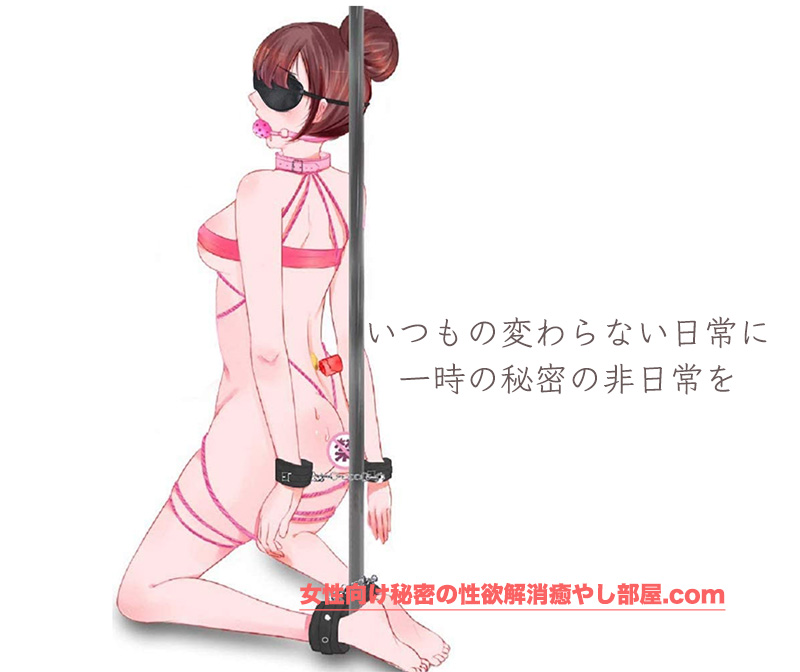
多くの方の依頼に対応しているため以下の基準を満たす方のみ依頼を受け付けています。
- 生理中で無い方(出血が終わってれば可/添い寝・乳首舐めだけなら可)
- 体温が37.0度以下の方
- 対応予定日の2週間以内に海外渡航歴が無い方
- 体重65キロまでに収まっている方
- 〜45歳までの方(45歳以上でどうしてもという方はご相談ください)
- 彼氏と同棲されている方
- 黄色、黄緑色、茶色、クリーム色のおりものが出ておらず悪臭も出ていない方
- 連絡、返信がスムーズにできる方(他の方の対応に影響が出てしまう・アシスタントさんの稼働コストが上がるため・怒られるのが嫌なため笑)
- タバコを吸われない方
- UGリスト(Undesirable Guest)に記載がない方
※UGリスト:関東エリアで同様の対応している方同士で共有している過去にキャンセル歴がある人を共有しているブラックリスト。
当サイトは基本的にMでいじめられるの大好きな方や、調教されたい方、開発されたい方がほとんどで性欲旺盛で毎日オナニー何時間もして休日は1日中しているという方も多くいます。
自分はなれている日常なのでそのような方でも特に遠慮しなくていいです笑
LINEで予約する方法・手順

LINEで予約・問い合わせをする場合は
以下のQRコードをタップまたはクリックして表示されるQRコードの画像をスマホに保存して、LINEのアプリで読み取ることで追加できます。
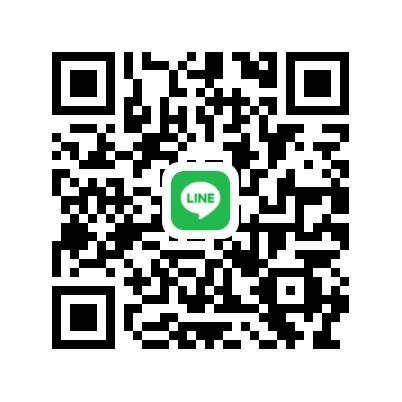
↑画像をタップしてQRコードの画像をiPhoneやAndoirdスマホに保存したらLINEアプリ>QRコードで友だち追加から読み取ります。iPhoneの場合は「写真に追加」メニューをタップするとQRコードを保存できます。
または以下の友達追加ボタンをタップすることでLINEにゆうが友達として追加できます。
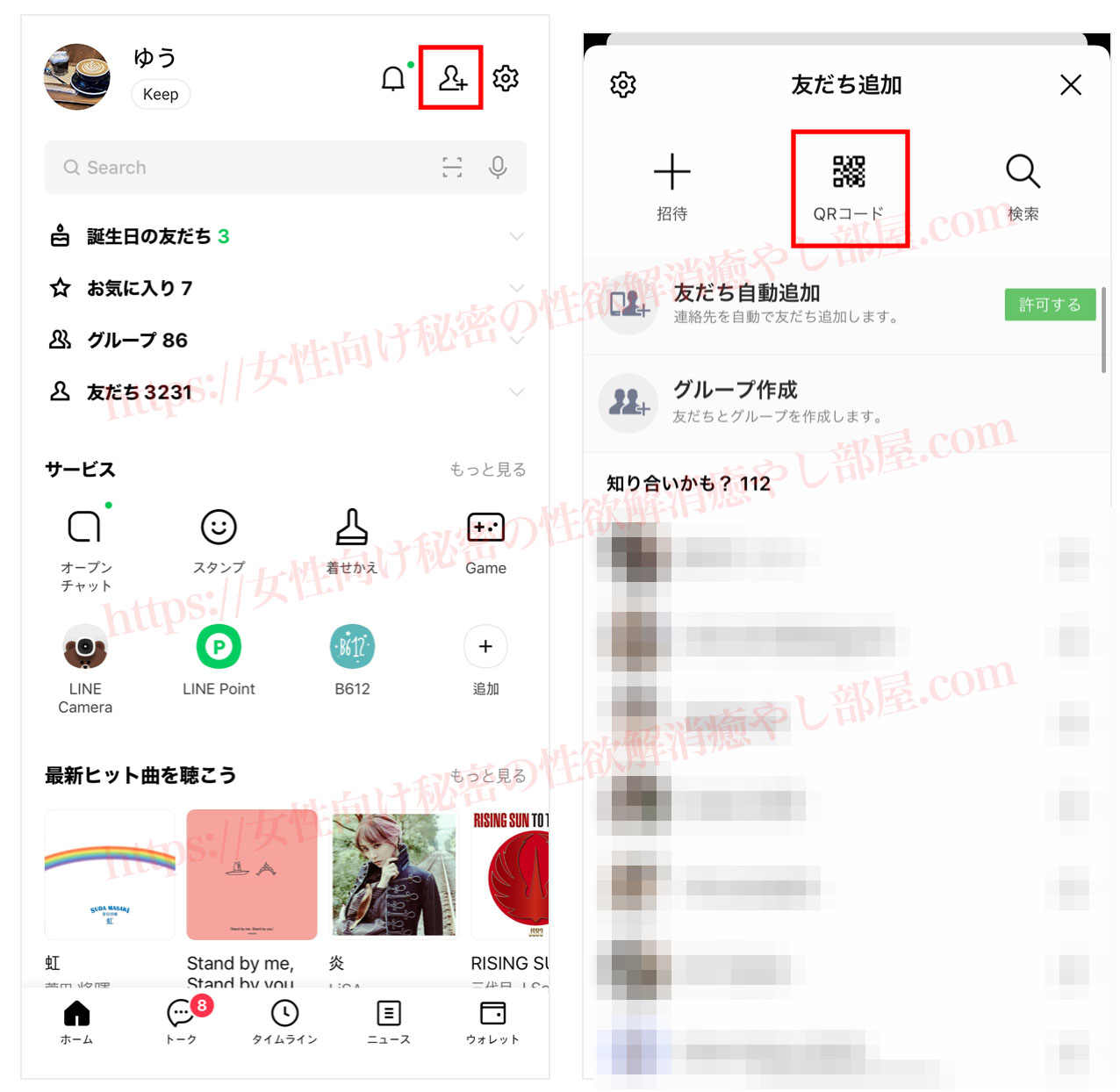
先ほど、保存したQRコードを読み込ませると以下のような友達追加画面が表示されますのでそのまま「追加」ボタンをタップして追加します。
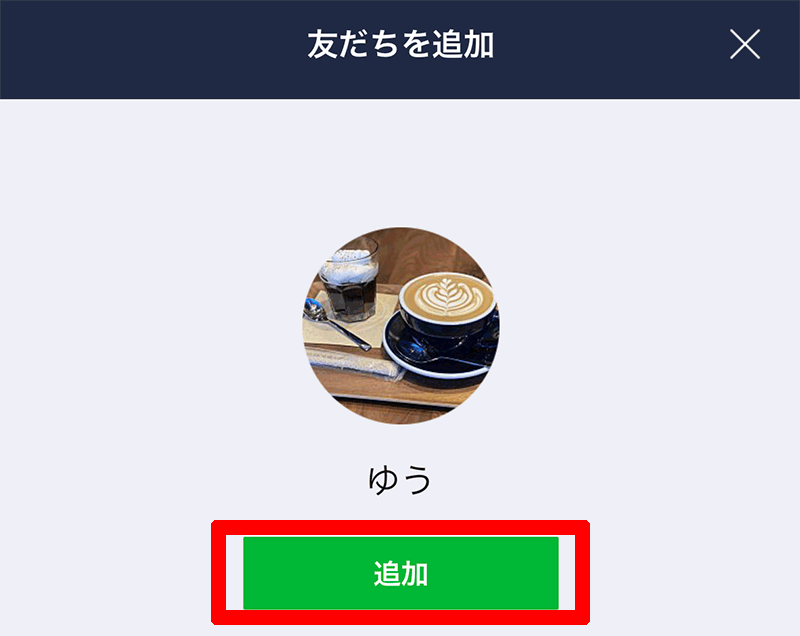
友達追加後メッセージを送っていただけたら返信します。
何を書いたらいいのかわからない場合は「こちらの予約フォーム」の項目を内容を参考に書いて送ってもらえると早く返信ができます。
iPhoneの場合
↑画像をタップして表示されるQRコードの画像を長押し(ロングタップ)します。
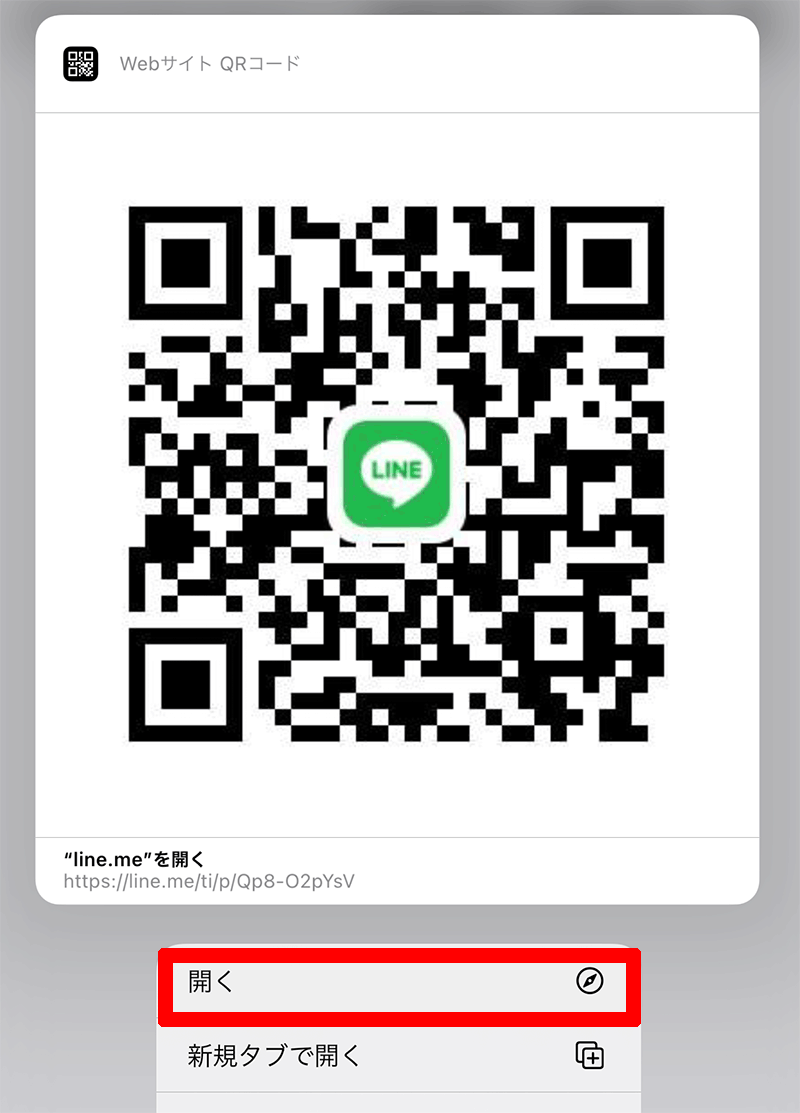
「開く」をタップします。
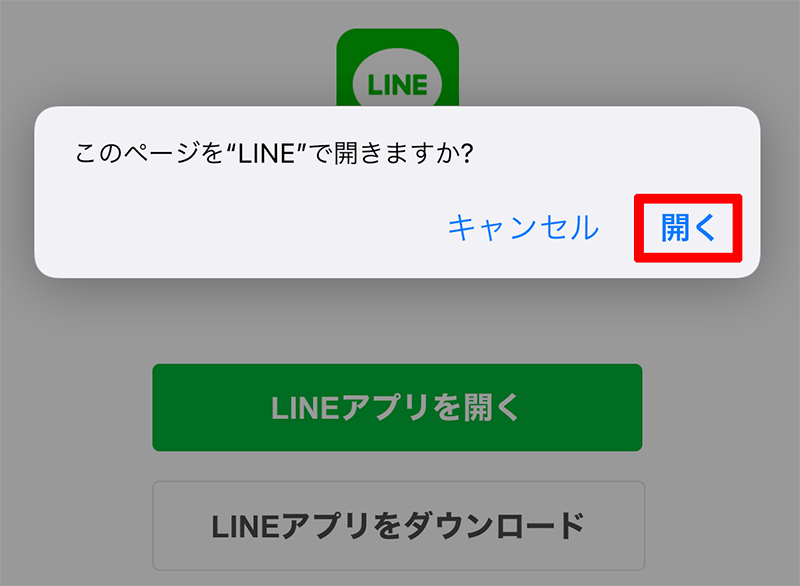
「このページをLINEを開きますか?」と表示されるので「開く」をタップします。
友だち追加画面が出てくるので「追加」ボタンをタップします。
友だち追加だけされただけの状態だと
こちらからメッセージは送っておりません。
話しかけてもらったらはじめて返信しています。
出張中や連続夜勤、対応中、依頼数過多、
LINEのトークの返信が追いついていない場合は
最大で2日ほど返信をお待たせすることがあります。
普段、こちらからLINEを送るようなことはありません。
質問に回答したり予約日前日にリマインドを送るくらいです。
受動的に対応していますのでLINEをもらった時だけ
返信するスタイルでずっとやっていますしトラブルとかも一度も起きていません。
月に数回会うような友だちのような方だけ
こちらから送ったり頻繁に連絡をとっています。
どれくらいの頻度で連絡が欲しいなどの希望があればお伝え下さい。
できるかぎりは対応させていただきます。
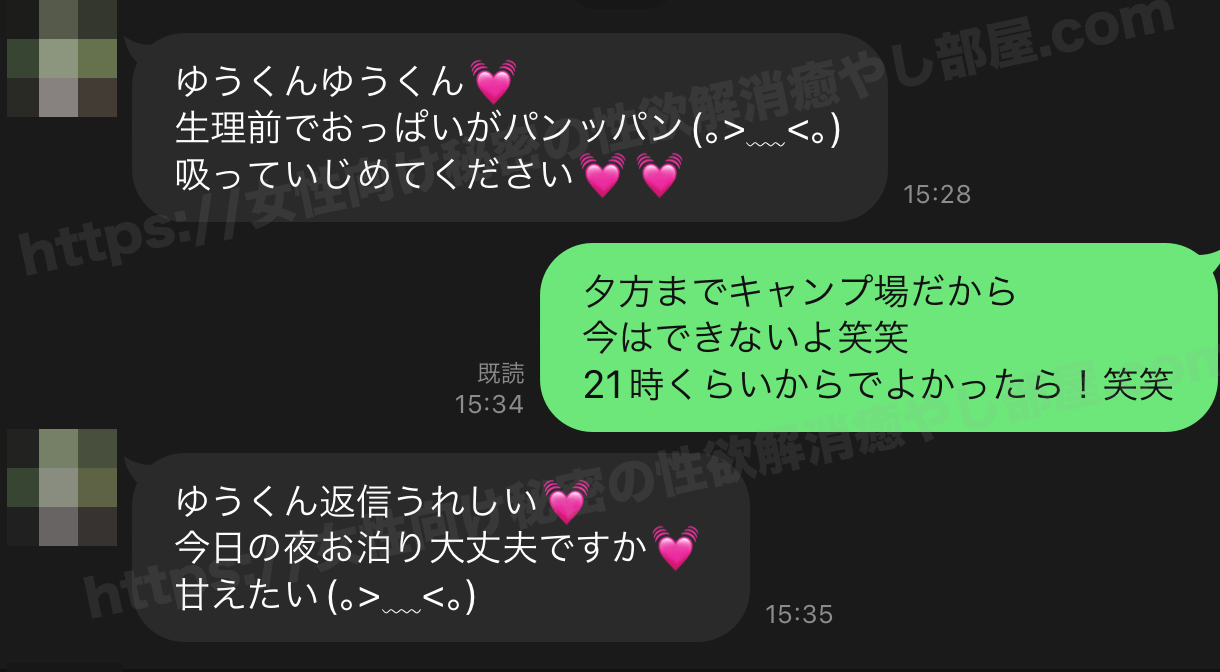
予約される時に以下の内容を添えてもらえると助かります。
されたいことの内容の参考は、
依頼用の専用フォームの内容が参考になるかと思います。
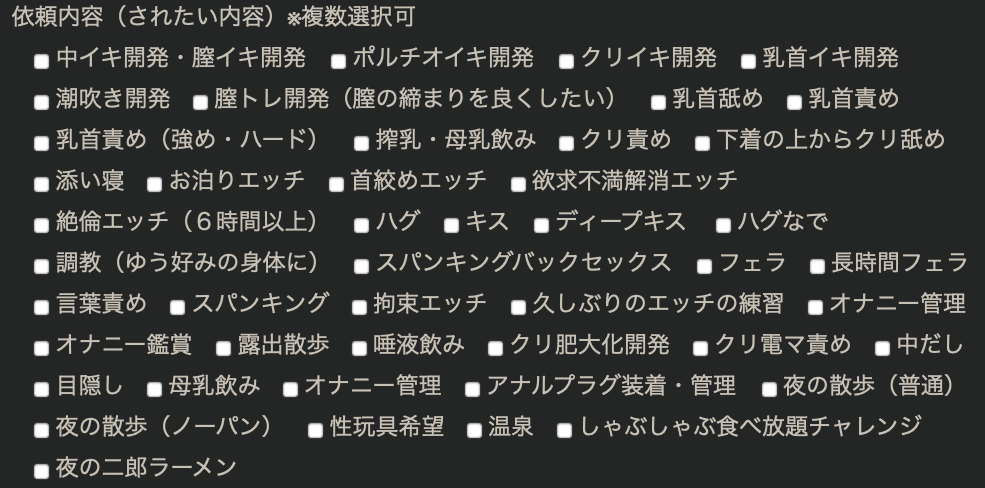
- されたいこと
- 悩み(悩みなどがあれば)
- 年齢
- 身長
- 体型(痩せ方/標準体型/少しぽっちゃり/ぽっちゃり)
- 希望の対応日と対応時間(複数候補くれると助かります)
- 希望場所(どのホテルがいいのか教えて下さい)
- クリイキ経験の有無
- 中イキ経験の有無
- サイト上での日記としての掲載希望(希望/希望しない)
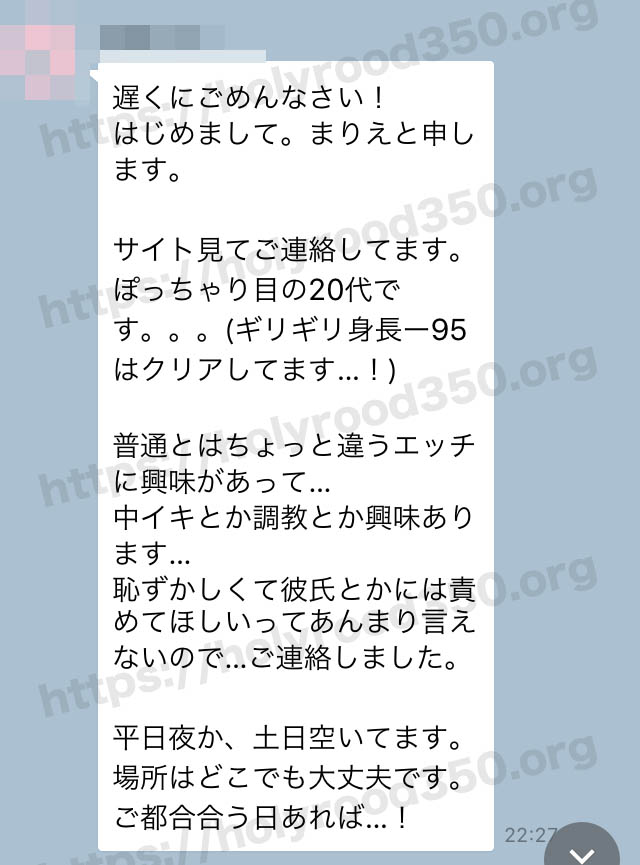
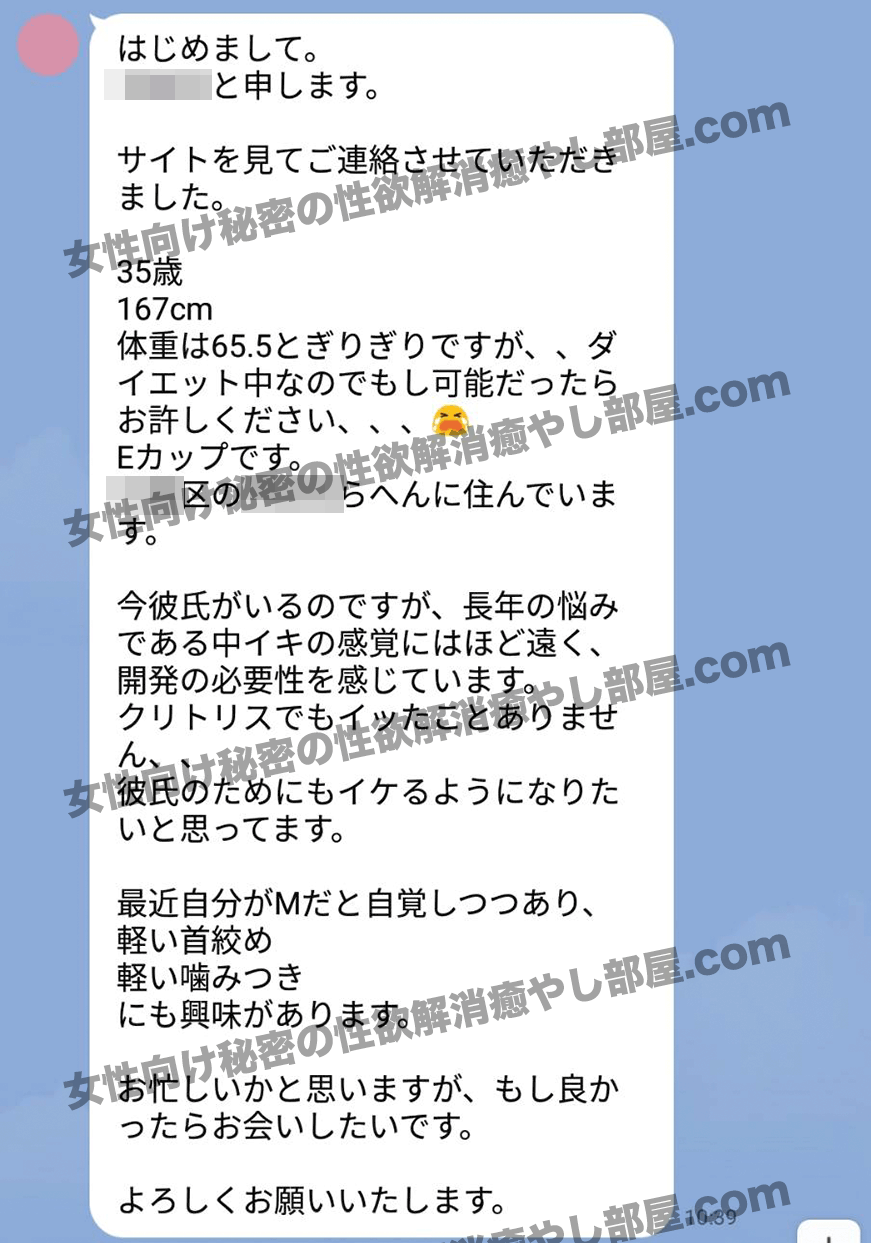
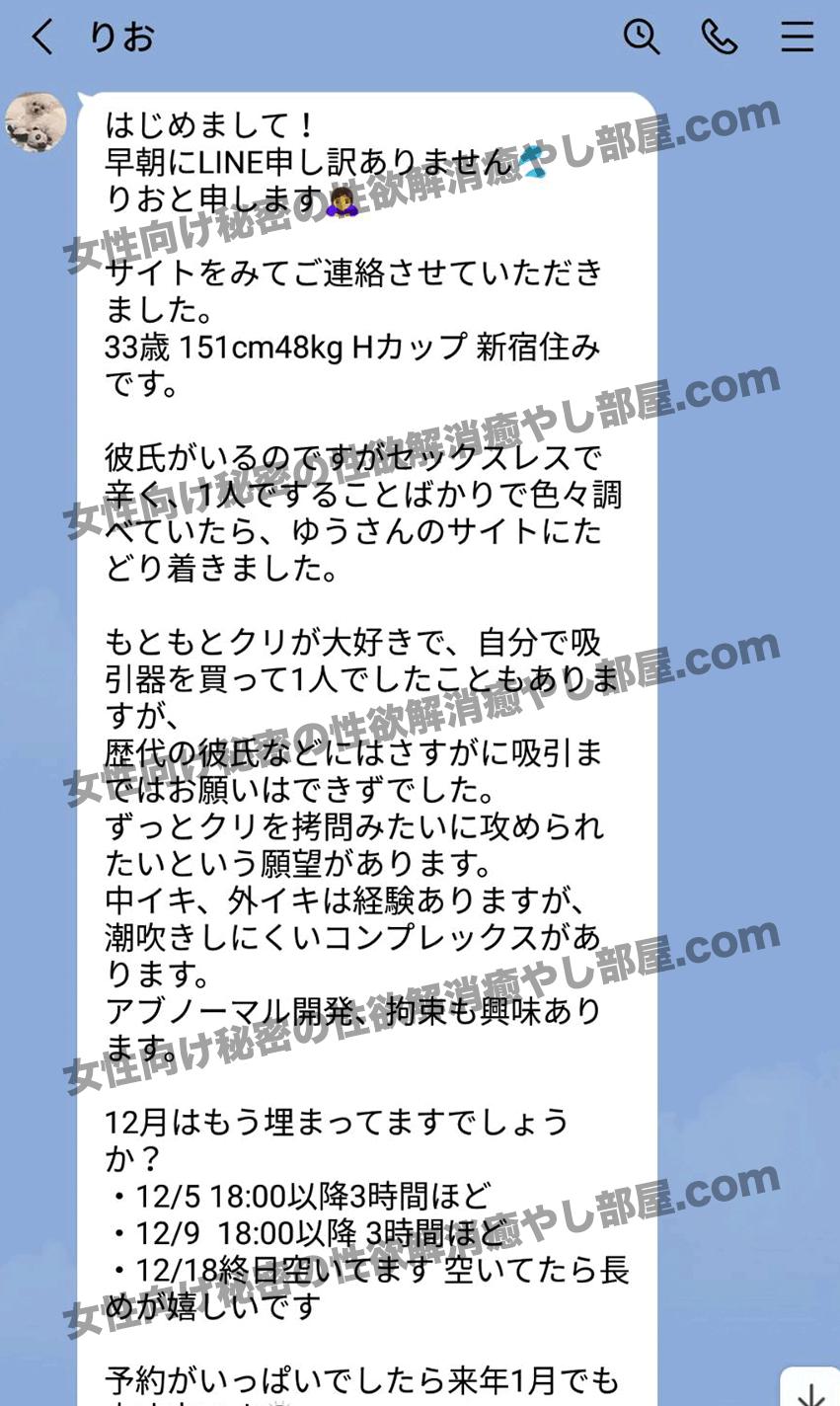
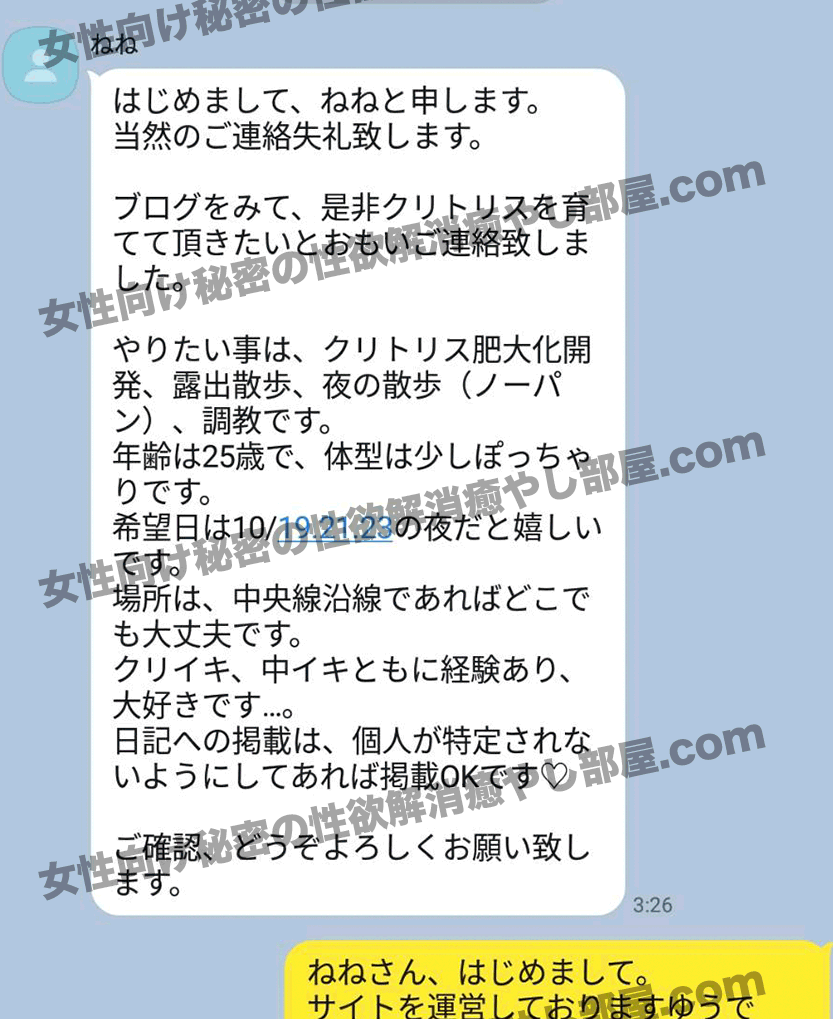
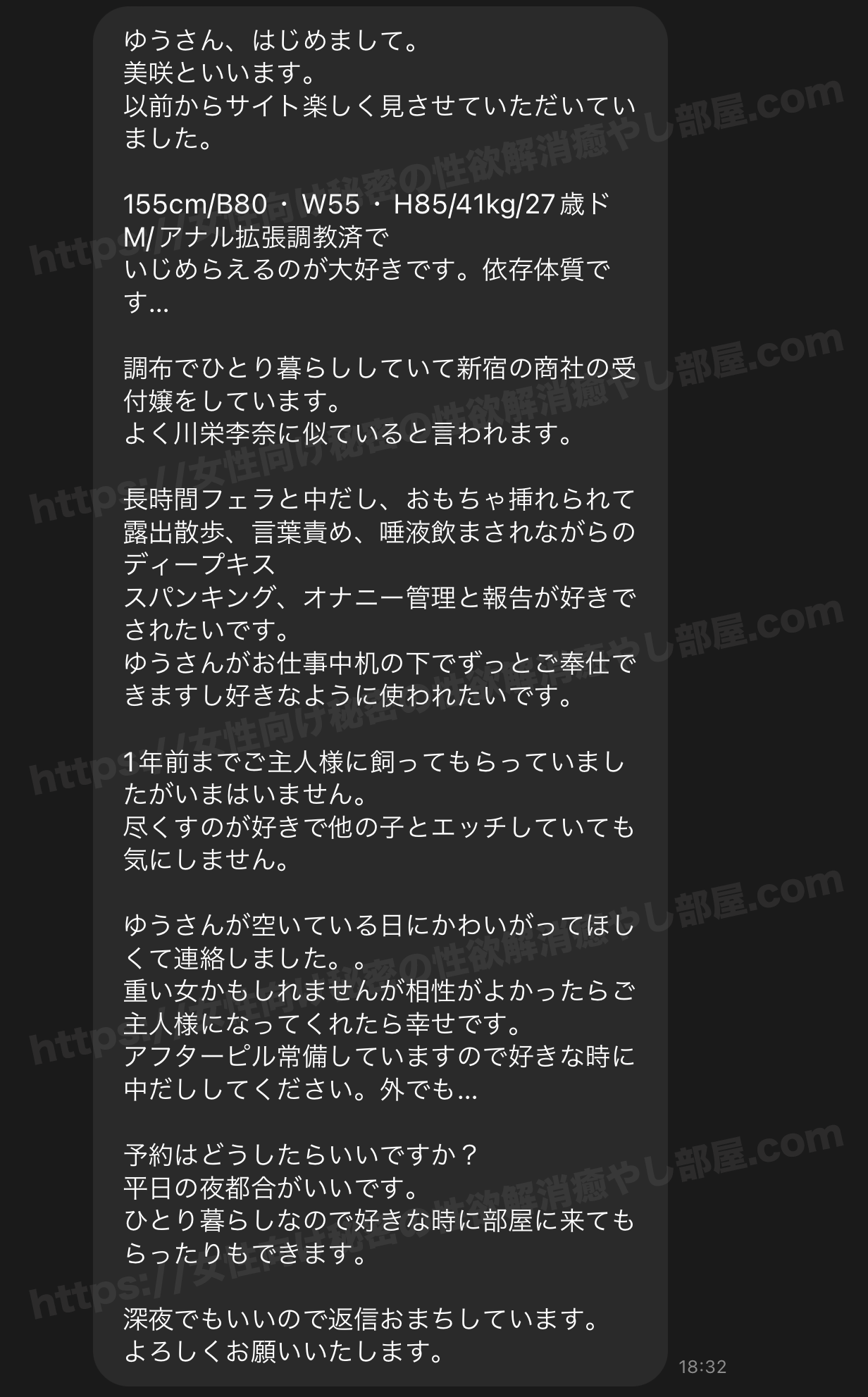
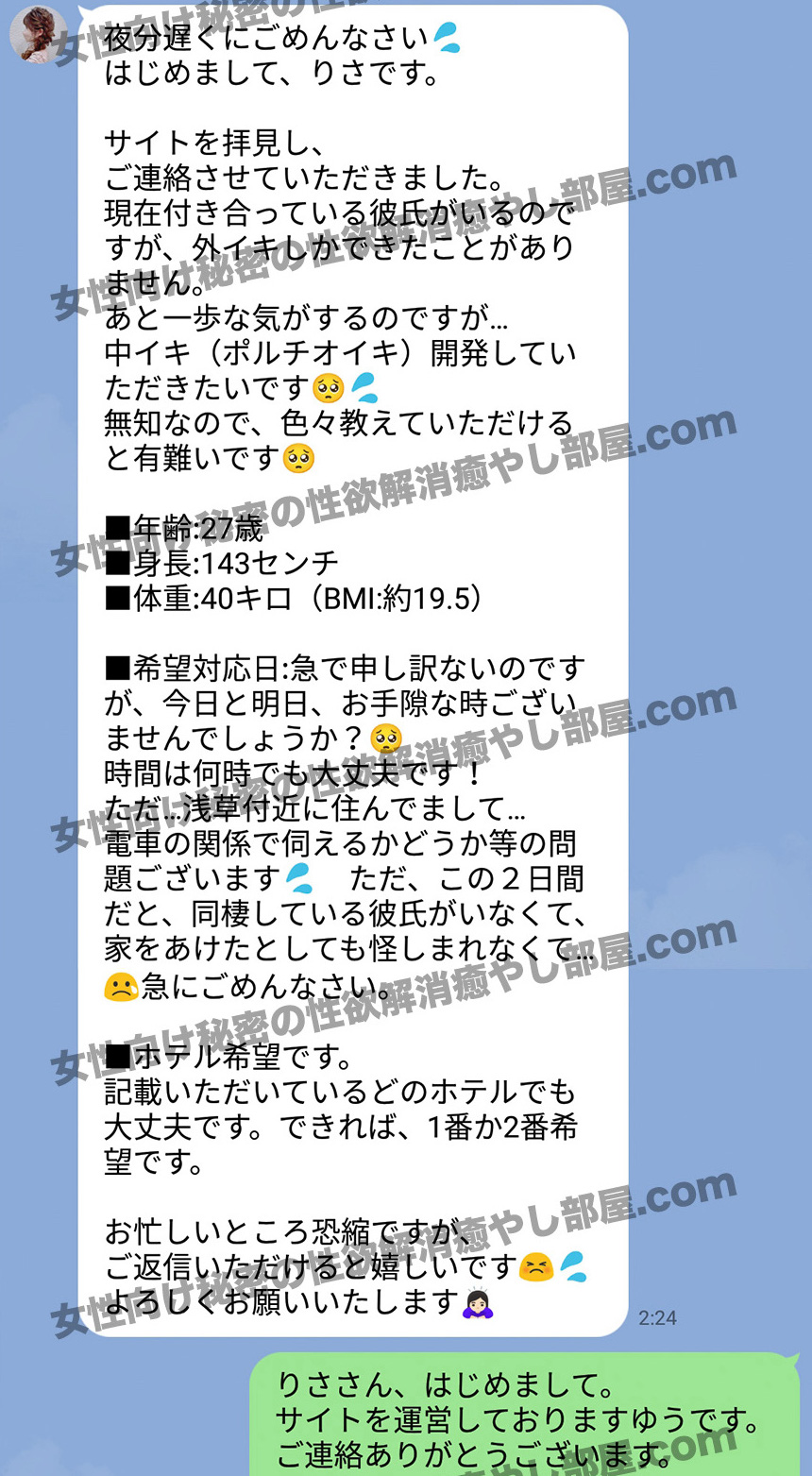
こんな感じで送ってもらえれば返信しやすいです。
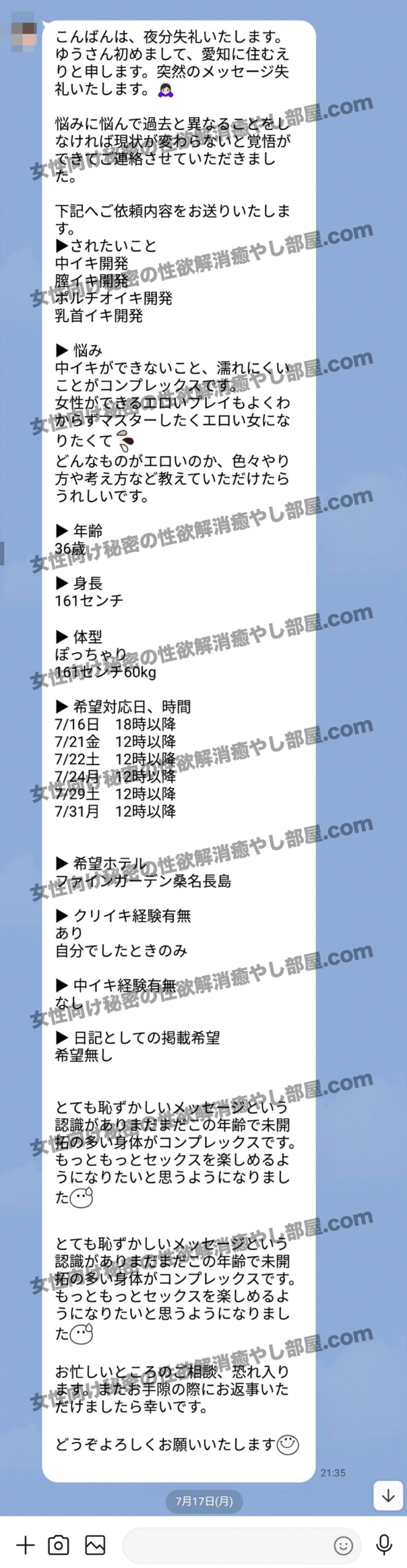
例として以下のような依頼では、必要な内容がすべて網羅されていますし
丁寧かつ簡潔のためアシスタントの方の事前確認でも基準クリアの対応OKとなり
こちらに要返信として回って来た場合ほぼ確実に返信できる書き方です。
https://holyrood350.orgは以前使用していたサイトのURLになります。
※LINEの写真は気分で変えているのでこちらの写真から変わっている場合があります。
【試験運用】プラベートラインを試験的に公開中
2023年を振り返った時に
三重県に来てからのそこそこ忙しく新規の方の依頼の対応や
LINEへの返信をかなり待たせることになっていました。
普段仕事や外出する時には対応用のLINEのスマホを持たずに
外出しており今年は隙間時間を使ってできるだけ早く返信しようと
思っています。
LINEで予約・問い合わせをする場合は
以下のQRコードをタップまたはクリックして表示されるQRコードの画像をスマホに保存して、LINEのアプリで読み取ることで追加できます。
↑画像をタップしてQRコードの画像をiPhoneやAndoirdスマホに保存したらLINEアプリ>QRコードで友だち追加から読み取ります。iPhoneの場合は「写真に追加」メニューをタップするとQRコードを保存できます。
または以下の友達追加ボタンをタップすることでLINEにゆうが友達として追加できます。
先ほど、保存したQRコードを読み込ませると以下のような友達追加画面が表示されますのでそのまま「追加」ボタンをタップして追加します。
友達追加後メッセージを送っていただけたら返信します。

LINEで連絡ができない/友達登録ができない時
LINEアプリにゆうを追加できない、
何らかの理由でLINEで連絡ができない時は
以下の問い合わせフォームからご連絡下さい。
カカオトークで予約する方法・手順
カカオトークで予約・問い合わせをする場合は
以下のQRコードをタップまたはクリックして表示されるQRコードの画像をスマホに保存して、カカオトークのアプリで読み取ることで追加できます。

友達追加後メッセージを送っていただけたら返信します。
※アイコンがデフォルト(未設定)の方は返信しない場合があります。
何を書いたらいいのかわからない場合は「こちらの予約フォーム」の項目を内容を参考に書いて送ってもらえると早く返信ができます。
予約フォームからの予約
以下の予約フォームから必要事項を入力、選択項目を選択して送信ください。
予約フォームを開く>>
予約フォームから送信後2日経過しても返信がない場合は
LINEアプリまたはカカオトークのアプリからご連絡ください。
依頼方法別による優先度について
当サイトは、毎日大量の依頼と予約をもらっており、信頼度が高いと思われる依頼方法の順番で優先度を決め返信、日程調節、予約しています。
当サイトでの依頼方法は、LINEアプリ、カカオトークアプリ、予約フォーム、コメント欄の4つから受付していますが優先度は以下の通りになります。(番号が小さい方が優先度が高いです)
- LINEアプリ
- カカオトークアプリ
- 予約フォーム
- コメント欄
LINEアプリから依頼された方の予約を完了させてから、カカオトークのアプリから依頼された方のメッセージに返信と予約を入れるため、
予約フォームやコメント欄からの依頼は翌月や翌々月の予約になる場合もよくあります。
オナニー管理・進捗確認・調教開発について
1回以上会ったことがある方で希望があればオナニー調教やオナ指示、
管理、膣トレや中イキ開発などは
LINE、カカオトークで個別で行っています。
夜の通話について
夜の通話は3回または3回以上会ったことがある方に対応しています。
LINEやカカオトークにゆうが登録されていると思いますのでそちらから直接ご連絡下さい。
2回目以降の予約方法
当サイトは複数の方を同時に対応しているため深夜の枠を除きすべて予約制で対応を行っています。
2回目以降の方の予約はだいたい以下の3つが多いです。
- LINEやカカオトークなどでその都度予約(不定期でその都度空き予定日を確認して調節予約する方法)
- 対応後その場で次回を予約(対応後に次回を予約する方法)
- 定期対応の事前予約(半年や1年先くらいまで月に1〜2回事前に日を決める方法)
対応可能日と対応可能時間
希望される日と時間を予約時にお伝え下さい。
最初から候補日と時間を複数送って貰えると返信がしやすいです。
候補日と時間がない場合は返信できないことがあります。
- 平日・土日祝の午前中からなら10時〜17時
- 平日・土日祝の午後からなら13時〜17時
- 泊まりの場合は18時以降からでお願いします
- 深夜の時間帯は21時以降からでお願いします(事前予約不要枠になります)
午前中や午後から対応していて朝まで泊まりにしたい場合は
他の予約がないか確認しますので事前またはその場で可能か確認ください。
対応可能条件
年齢
24歳~45歳までの女性とさせて頂いております。
※45歳以上でも対応してほしいという方はその旨をお伝え下さい。
体型
細身の方、痩せ方の人、
ちょいポチャ、むちむち体型は好きですが、
ぽっちゃりしすぎの方は苦手なので痩せ方体型の1番〜ぽっちゃり体型の11番までの
体型を対応可能としています。12番以上の肥満レベル体型の人は対応できません。
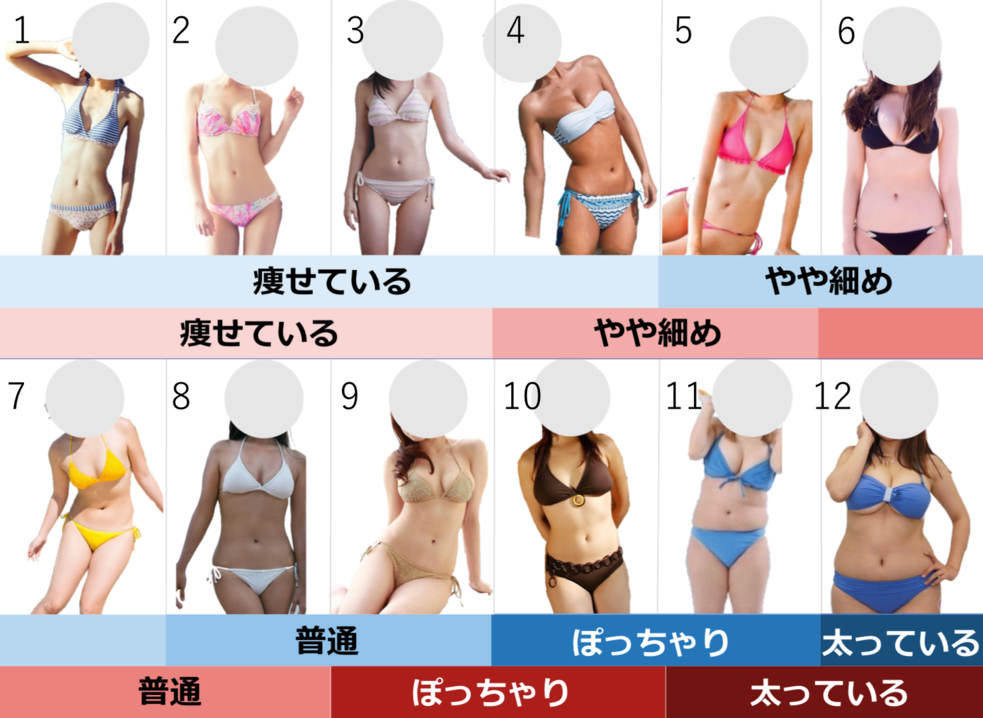
お尻が大きい、お腹が摘める、二の腕が摘める、胸が垂れているなどを
気にされる方がいますが全く問題はありませんのでご安心ください。
体重
体重が65キロまでの方を対象としています。
対応場所
対応場所は以下の3つで行っています。
既婚の方や彼氏がいる方の対応日記はほとんど書いていませんし写真も撮らずにホテル待ち合わせホテル解散(時間差解散も対応)で対応しています。
- 三重県桑名駅、三重県三重郡川越町近くのホテル
- 依頼される方の部屋
- 三重県桑名市内のショッピングモールなどの立体駐車場
予約される時に希望の場所をお伝え下さい。
待ち合わせ
待ち合わせは現地ホテル待ち合わせ、現地解散としています。
初回の対応
初回の対応はホテルでお願いしていますが希望があれば3回目からは部屋もOKとしています。
1回目はお互い不安があると思いますで基本的にホテルでお願いしています。
ホテルは依頼者の方に自由に選んでもらっています。
当日までに選んだホテルをお知らせください。
- HOTEL VOGUE(三重県桑名市大字西別所1582-1)(★★★★★★ラブホ/2F待ち合わせスペース待ち合わせ)最近できたばかりで外観も部屋もかなり綺麗で評判がいいです。車で来やすい、平日フリータイムの6:00~20:00、15:00~23:00は5000円台と最安値クラスもあって昼間旦那さんが仕事に行っている間の癒やし時間として使う方が多くなっています。桑名駅からバスで来られる方もいます。初回・²回目以降対応可
- ファインガーデン桑名長島(三重県三重郡川越町亀須新田百坪181-1)(★★★★★★ラブホジ兼一般ホテル/1F待ち合わせスペース待ち合わせ)※おすすめ 綺麗ながら料金も安いので平日、土日ともフリータイムで5500円を切ります。待ち合わせスペースもあり部屋の自動精算機で支払いで受付の人と対面しないのではじめての方でも安心です。待ち合わせスペースがあるので安心できると評判です。初回・²回目以降対応可
- ホテルNUQU全室天然温泉(愛知県弥富市稲元6-25)(★★★★★★ラブホ/1Fフロント前待ち合わせ)全室天然温泉でどの部屋も綺麗で女性会とかにもよく使われているホテルです。ラブホ感がなくこのホテルリストの中で断トツキレイなプライベート宿泊ホテルのような感じでゆっくりと過ごせるのでおすすめです。全室に温泉つきです。3回目以降対応可
- HOTEL R9 The Yard いなべ(三重県いなべ市大安町石榑下229−1)(★★★★一般ホテル/現地駐車場待ち合わせ)最近流行りのコンテナ型ホテルです。完全にコンテナで仕切られているので大きな声をだしても大丈夫。アクアイグニスや湯の山温泉が近いので帰りによっていくとさらに癒やされるでしょう笑 2回目以降対応可
- ホテル ロコガーデン 三重菰野(三重県三重郡菰野町神森697-5)(★★★★★★ラブホ/1Fフロント前待ち合わせ)ゆうの仕事終わりの日課な湯の山温泉やアクアイグニスで待ち合わせや一緒に行った帰りに癒やしが足りない場合などに。隠れ家的ハワイアンリゾート。ジャグジー&水中照明の付いた露天風呂があります。3回目以降対応可
- 他桑名市、三重郡周辺でご希望のホテルがあれば。湯の山温泉のホテルや旅館で一泊、アクアイグニスで一泊などもよく対応しています
初回対応のHOTEL VOGUEの待ち合わせ場所
初回の方はHOTEL VOGUEでのみ依頼を受けていますが、
皆様時間に以下の待ち合わせ場所で待ってもらっています。
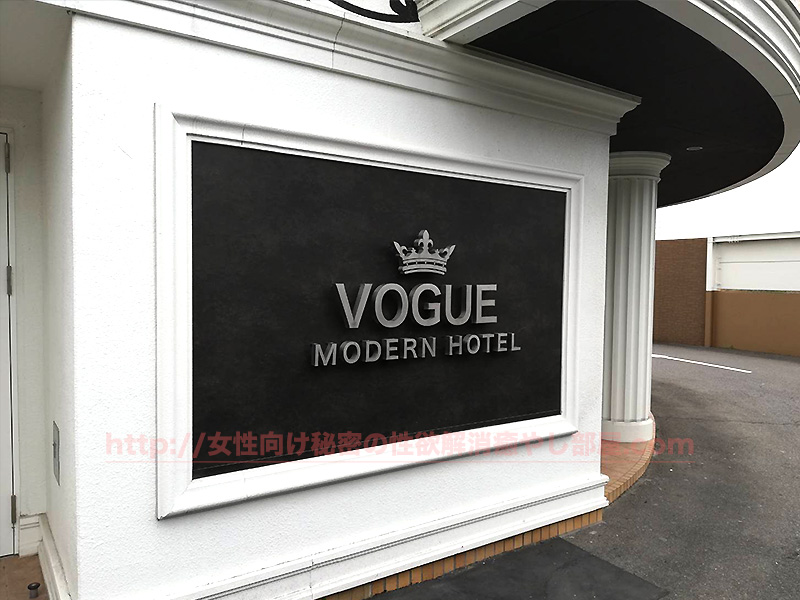
ホテルの1Fから受付のある2階にあがりますと誰でも利用可能な待合室が5室ありますので
そちらでお入りいただき
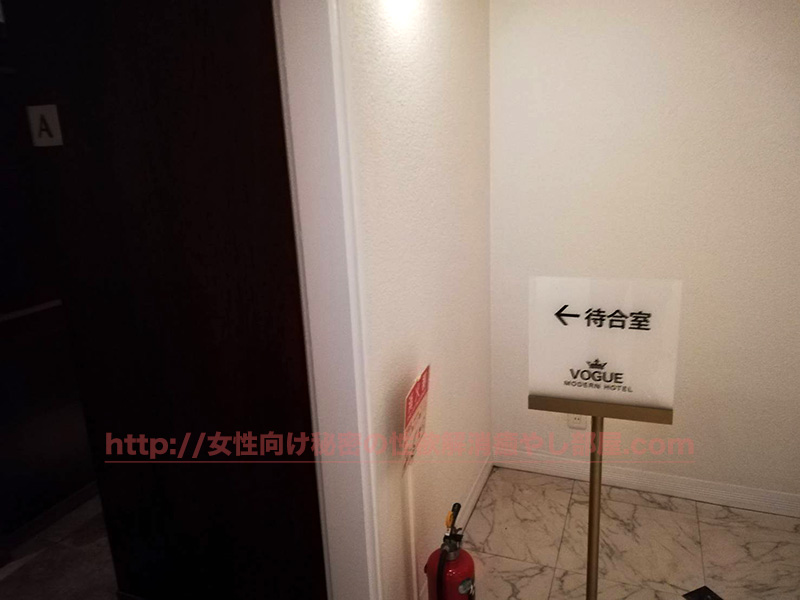
待合室の中でお待ち下さい。
LINEなどで待合室のどの部屋にいるか教えていただける助かります。
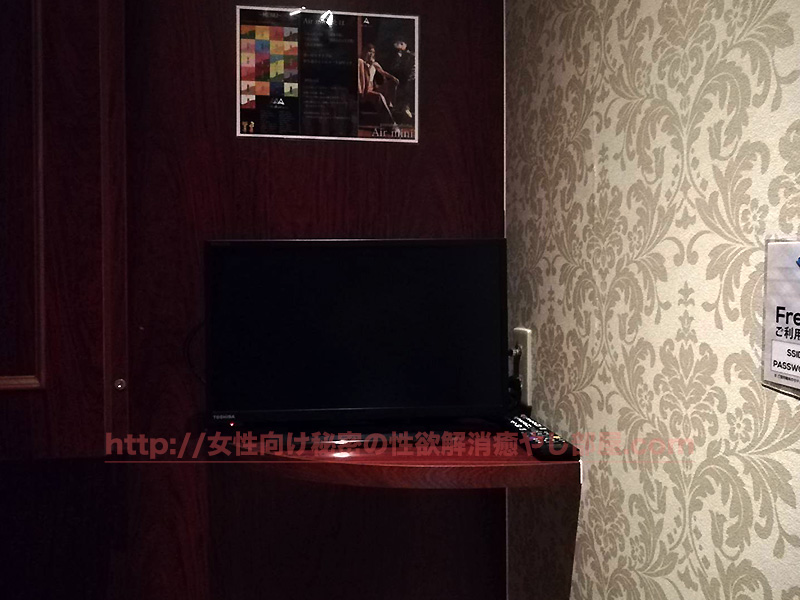
先にホテルにチェックインされている場合
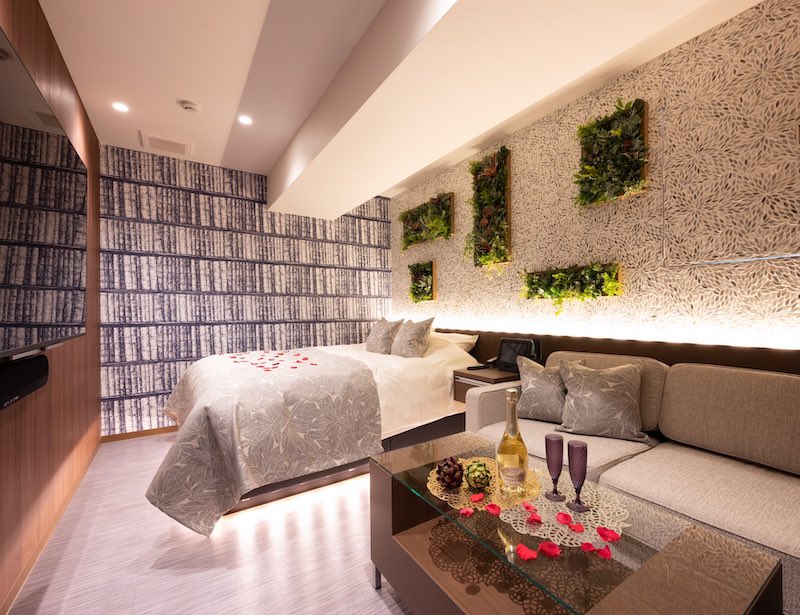
基本的には待ち合わせスペースでの待ち合わせとしていますが先に部屋にチェックインしていただいている場合は部屋番号を教えてもらってい時間までに着くようにしています。
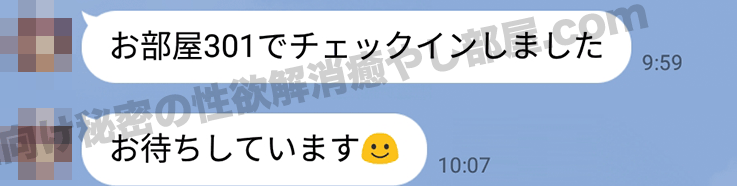
またはついたらLINEしますので1Fの待ち合わせスペースまで迎えに来てください笑
複数回や定期的に会っているかたは直接教えてもらった部屋に行くことも多々あります。
初回対応のHOTEL ファインガーデンの待ち合わせ場所
ファインガーデンの場合は
皆様時間に以下の待ち合わせ場所で待ってもらっています。
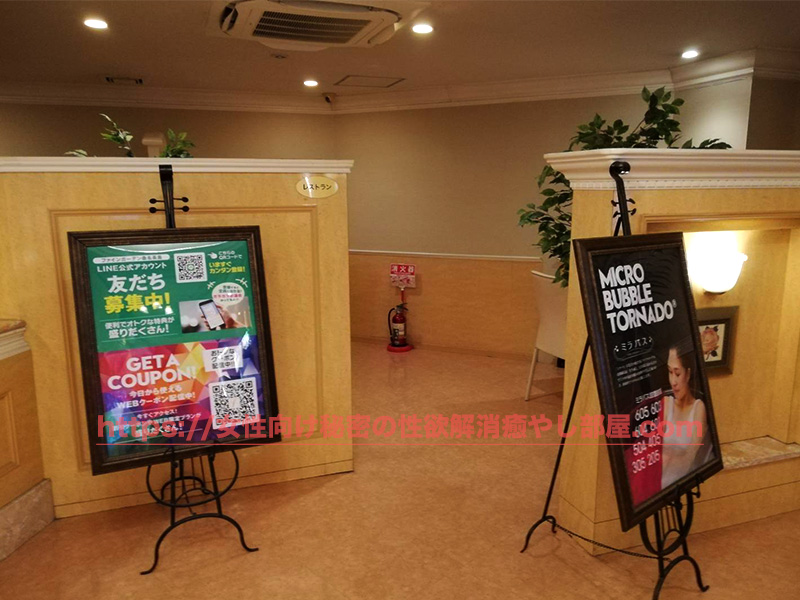
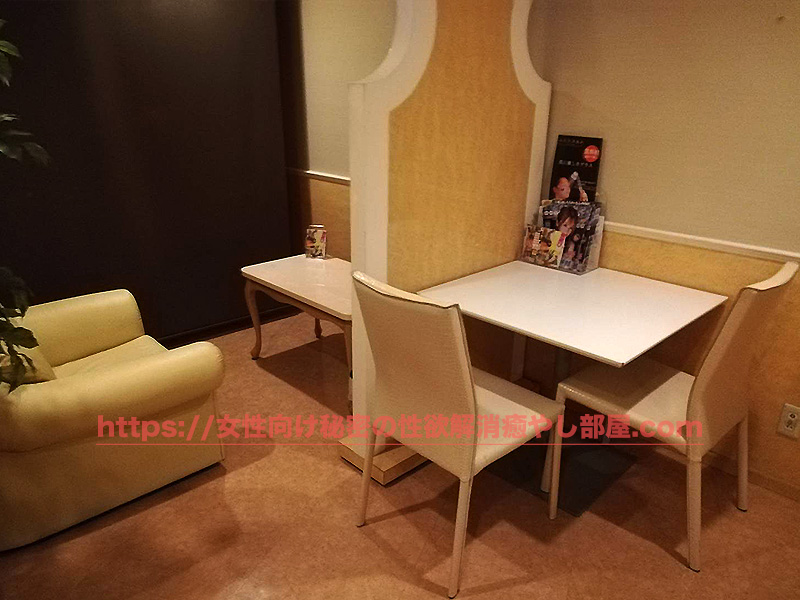
ホテルの1Fの受付のフロアに入りますと誰でも利用可能な待合室がありますので
そちらでお入りいただきおまちください。
部屋での対応について
八王子にいると行きは対応部屋を借りしていたため
部屋対応も受けていましたが三重県では借りていませんので
基本はホテルでの対応となります。
資産家の方やビジネスオーナーで借りている、
保有しているけど使っていない部屋があるから
好きに使って、ムラムラしたときにハメられに行きたいという方が
いれば連日リモートワークの日でしたら行けるかもしれません。
2回目以降の予約と対応
2回目以降の予約は
LINEまたはカカオトークにゆうが友達追加されていると思いますので、
次回希望する日と時間を複数候補LINEまたはカカオトークでお送りください。
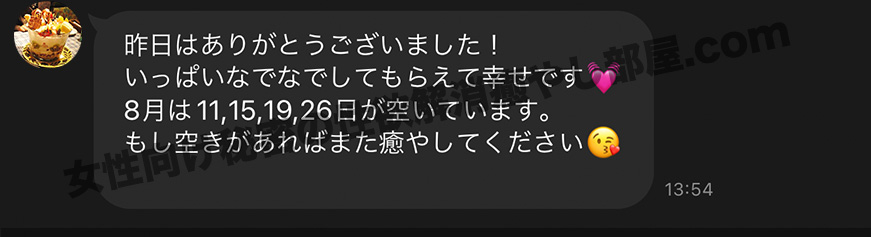
送っていただいた候補の中で空いている枠を返信しますので
その中から選んでもらい予約される場合は予約、予約確定連絡をしています。
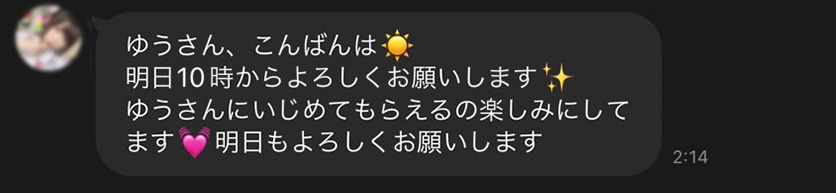
対応日前にリマインドをくれると助かります
予定の調節をして予約完了連絡をする時に同時にこちらのリマインダにも
予定を入れて管理していますがほんの稀に漏れている、
時間や予定日が間違っていることがあります。
対応日前日くらいにリマインドをいただけれると大変助かります。
キャンセルルールについて
現在は無料対応にて奉仕活動を行っているため
キャンセルされた場合は次回の依頼は受けていません。
予定を調節してくれた他の方に申し訳ないためその時点で連絡先を削除しています。
UGリスト(Undesirable Guest)を確認して依頼を受けていますが
2022年の実績は120件対応したうち1件ほどキャンセルが発生しています。
対応の流れ
LINEやカカオトーク・予約フォーム・コメント欄から依頼・対応日予約
(日程、時間、場所を決めます)

対応可能日を回答・予約確定させていただきます
当日待ち合わせして対応
基本的には1回で完了するように開発やチェックを行っています
1回では開発や調教が足りない、さらに開発されたい、定期的な対応が必要と思われる場合は
次回予約をLINEまたはカカオトークから直接依頼ください。
次回予約がない場合はこの時点で対応完了となります。
当日の流れ
事前にやりとりで決めた待ち合わせ場所で待ち合わせ
ホテルの場合はロビーや駅で待ち合わせ。
(部屋の場合は待ち合わせ場所に迎えにいくことが多いです)
(ホテル対応の場合はほとんどがフロント・待合いスペース集合にしています)
事前に決めた待ち合わせ場所で待ち合わせ
(ホテルのフロント・ロビー/駅/集合場所)
ホテルにチェックイン
(好きなお部屋を選んでください 初回は対面だと緊張すると思いますのでソファー付きの部屋がおすすめです)
任意でシャワーを浴びてもらいます
依頼内容の確認・ヒアリング
質問などへの回答
悩みなどは時間の許す限りすべて回答しています
依頼内容に対応します
(身体の感度チェックのみ/膣の締まり具合チェックのみもあります)
基本やホテルの現地解散
一緒にご飯や温泉に行く人もいます。
駅まで送っていって欲しい場合はその旨をお伝え下さい。
対応場所
対応場所はホテル、依頼者さんの部屋、三重県桑名市内のショッピングモールなどの立体駐車場のどれかになります。
対応エリアは三重県桑名市が中心ですが送り迎えをしてくれる方は県外を含めどのホテルでも対応しています。予定が合えばですが。
依頼可能な内容
依頼可能な内容は以下のとおりです。
この中から1つまたは複数されたいことを選んでLINEまたはカカオトークからご連絡・予約ください。
- 中イキ開発・膣イキ開発・ポルチオイキ開発 (一度も中イキしたことがない方)
- クリイキ開発(一度もクリでイッたことがない方)
- 潮吹き開発(潮吹きしてみたい方)
- 乳首イキ開発(乳首だけでイってみたい方)
- 膣トレ開発(膣の締まりを良くしたい膣の締まりをチェックしたい方)
- 膣の締まり具合チェック(膣の締まり具合が正常なのかを確かめたい方)
- 全身の感度チェック(自分の身体の反応や感度に異常がないのか確かめたい方)
- 乳首舐め(3時間/6時間/フリータイム/こちらは体重制限なしで対応しています)
- 乳首責め(乳首を指や舌、口、ローターやニップルリング、乳首クリップなどでいじめられたい方)
- クリ責め(ひたすらクリを責められてイキ狂いたい方 忘れたいことがある方)
- クンニ(舐められたい方 ※このページの下部に対応可能条件があります)
- 下着の上からクリ舐め(下着の上からクリチンポをクリ舐めされていじめられたい方)
- 添い寝(頭なでなでとギューってしながら寝かしつけてほしい方 ハグしてあまあまされながら寝落ちしたい方)
- 足マッサージ(立ち仕事などでむくんでいる足をマッサージされたい方 お気に入りのクリームを持参ください)
- お泊りエッチ(夕方から翌日昼間までずっとセックスしたい方、性欲が強い、満たされていない方向け)
- 首絞めエッチ(首にあとが残らない、窒息しない、チアノーぜにならない絶妙な首絞め具合で締めながら犯すような体位でプレイします)
- ハグ(前からハグや後ろからハグなどの癒やし成分が不足している方)
- キス(フレンチなものから唾液トロトロクチュクチュのキスまで最大15時間くらいは可能)
- ハグなで(ハグしながらおちんぽ挿入したり全身なでてビクビク止まらくなる焦らしプレイ)
- 耳舐め・耳責め(耳を舐めたり、甘噛などで閉められるのが好きな方)
- 調教(ゆうの好みの全身感じやすい、中イキ、乳首イキ、クリイキ、潮吹き、キスイキ、体外ポルチオイキができる身体に開発されたい方)
- おちんぽ舐め(ゆうの絶倫で我慢汁大量のおちんぽを満足するまで何時間も舐めたい方、我慢汁飲みたい方)
- 絶倫エッチ(会ってから帰るまでずっと何時間もおちんぽ入れっぱなしの長時間セックスの飢えている方、絶倫チンポが好きな方)
- 言葉責め(言葉責めされながら焦らされたり、いじめられたり、エッチなことがしたい方)
- デカクリいじめ(毎日のオナニーで大きくなったクリいじめやクリおしおき)
- ノーマルじゃないエッチ(彼氏や旦那のノーマルなエッチ、いつもと同じ流れのエッチに飽きて違うエッチをしてみたい方)
- 処女卒業(オナニーは大好きだけどエッチはしたことないという方向け)
- スパンキングエッチ(お尻叩かれながら犯されたいという欲望に正直な方)
- 拘束エッチ(手や足を押さえつけたり縛ったりして自由を奪われて犯されるようなシチュエーションに興奮する方向け 実はこれ結構多いです笑)
- 久しぶりのエッチを練習したい(久しぶりにエッチする前に練習したい方フェラのときも気持ちの良いなめ方とか気持ちの良いことなど)
- オナニー管理(オナニーする回数の制限、オナ禁をさせたり、オナニーをしたときにLINEかカカオトークで報告させます いいつけを守れなかったらお仕置きされます)
- オナニー鑑賞(オナニーを目の前で見られたい、変態オナニーを告白させられたい、オナニーしているのを見られながら言葉責めをされたい方)
- 2穴責め(アナルとおまんこにローターとバイブを挿入して失神寸前まで連続イキ)
- お泊りだけ(寂しくて一緒に添い寝してほしい、あまあまされたいという方向け)
- ★露出散歩(ノーパンやノーブラ、コート1枚、おもちゃ着用、バイブ挿入、ローター挿入などで散歩したり買い物したり外食をしてみたい方)
- ★クリ肥大化開発(クリトリスを大きくして変態クリチンポにして歩いているだけで感じまくる身体になりたい方)
- ★乳首肥大化開発(乳首を大きくして簡単につまめる、乳首クリップで挟んで仕事や日常生活を送りながら乳首で気持ちよくなりたい方)
- ★手足拘束責め(ラブグッズで手足を拘束されて電マや手マンで責められたい方)
- ★目隠し手足拘束責め(ラブグッズで目隠しと手足を拘束されて電マや手マンで責められたい方)
- ★手拘束責め(イタリア警察が使っている本物のフル金属手錠で手を拘束されて責められたい方 絶対に外れません笑)
- ★母乳飲み(おっぱいが張って辛い方、母乳を飲まれたい方、ゆうに搾乳体験させたい方)
- ★オナニー管理(LINEまたはカカオトークで毎日のオナニー管理とオナ指示をされたい方)
- ★夜の散歩行くだけ(夜の涼しくて人の少ない安全な時間に30分〜1時間くらい八王子の公園や歩道のある道路を散歩したい!という方。いやむしろ付き合ってください笑 一度もエッチしていない方には手は出しません)
- ★温泉(八王子の竜泉寺の湯、高尾山温泉に一緒に行きたい!という方。ぜひ付き合ってください笑 一度もエッチしていない方には手は出しません 長湯のため出てくるのが遅いときは岩盤浴でもしててください笑)
- ★バイクツーリング(長野のビーナスラインの絶景や山梨のほったらかし温泉、山中湖などそんなに遠いところのツーリングならお付き合いします笑)
- ★しゃぶしゃぶ食べ放題(普通にしゃぶしゃぶ食いまくりたい!という方。ぜひお誘いください笑)
- ★高尾山散歩(平日や休日の明るい時間に高尾山の山頂まで登ってみたいコースで登って降りてくるだけ温泉も入って帰ってきます)
- ★高尾山夜の散歩(真っ暗で幽霊が出そうな夜中の時間にライト1本持って高尾山山頂まで往復しますww普通に怖いです)
- ★ただ話を聞くだけ(話を聞いてほしくてたまらない時、予定が空いている時限定でひたすら話をきいてひらすら肯定を繰り返す承認欲求解消したい方向け笑)
- ★電話しながら作業(仲良くなったかた限定。仕事やテレワークしながら電話したりいじめたりオナニーさせたりクリイキさせたり乳首イキさせたりいろいろ)
※★印がついている項目は1度以上会ったことがある方向けです。
以下の内容は依頼されても対応することができません。
- スカトロ関連のプレイ
- ハードSM
- 痛みを伴う内容のプレイ
- 汚い状況になる内容のプレイ
- 飲尿プレイ
- 浣腸からの脱糞調教
- 鼻フック
- アナルファック
クンニ対応の条件
当サイトではリピーターの方を含めた他の依頼される方への感染症予防のため、
クンニは以下の条件をすべて満たした方のみ対応しています。
乳首舐めのみの場合はこちらの条件は関係ありません。
- 生理中でないこと
- パイパンであること(Iラインだけ脱毛されていれば可)
- 年齢が35歳またはそれ以下であること
- 分泌液が透明色であること
- おりものが出ていないこと
- 下着にもおりものが付着していないこと
- 無臭であること
感染症予防のため当日少しでも変だと感じた場合はその場でお断りする場合があります。
クンニ・乳首舐め音声
乳首舐め責めとクンニをしたときの音声を撮ってもらいました。
再生ボタンを押すと聞けます。※音量注意
ホテルでスパンキングお仕置きセックスしたときの音声
潮イキ我慢するって約束だったのに盛大に吹きまくったのでお仕置きセックスしました笑
再生ボタンを押すと聞けます。※音量注意 ※変態注意
持ち物
基本的に持ってくるものはありませんが以下のものを持ってこられると安心、快適かと思われます。
- 替えの下着: 濡れやすい方。帰りに乾いた下着で快適に帰れます
- 擦れてもいいシャツなど: 服の上から乳首をいじめられるが大好きな方。高い服は長時間すると痛む場合があるのでおすすめしません笑
医療用マスクを着用させていただいています
対応前の待ち合わせや外出時には医療従事者用のN95マスクを着用させていただきます。
秘密厳守で対応しています
当サイトでは日記として対応記録をつけていますが、基本的に3回以上会ったことがあってかつ、写真OK、音声OKという方のみサイトに載せています。
そのためほとんどの対応では一切サイト上になにも上がらない秘密厳守の対応になっています。
だいたい仲良くなった方でモザイクなどの隠し付きならいいよ♡みたいな感じで日記の素材提供をしてもらっています。
また、書いた日記は本人に内容を確認をしてもらった後にサイト上で公開するようにしています。
最寄り駅
最寄り駅はJR東海 桑名駅になります。
- JR東海 桑名駅 東口
- JR東海 桑名駅 西口
ご利用料金
料金は一切頂いておりません。
一緒にご飯に行った場合も割り勘ではなく
自分が食べた分は自分が払うスタイルにしています。
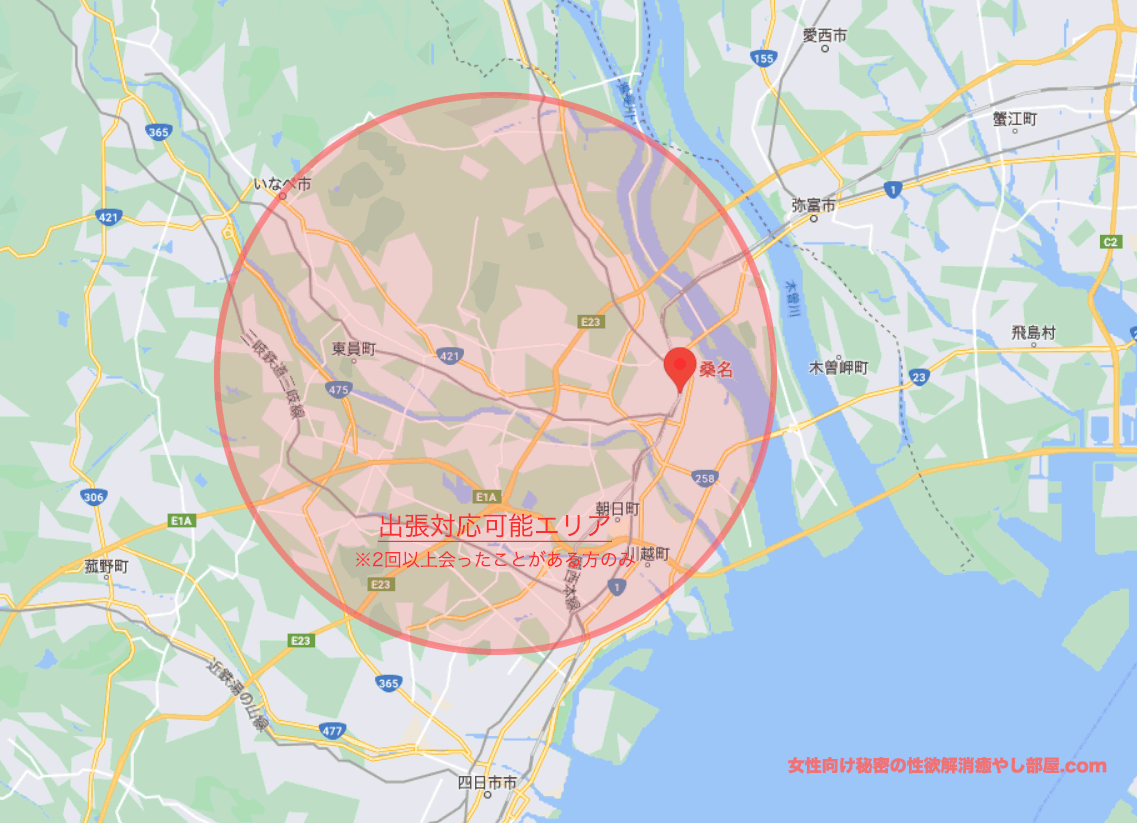
出張対応エリア
出張対応エリアは地図の赤丸エリアになります。
このエリアから少し外れている場合はご相談ください。
リモートワーク化により県外への出張対応は終了しました。
現在は三重県桑名市周辺のみで行っています。
対応前に話をしたいという方
対応前にいろいろと話しや悩みを聞いてもらってから
対応をしてほしいという方もいます。
その場合は平日昼間の〜16時であればOKしています。
はま寿司やスシローまたは
サイゼリアでランチ、ディナーをしながら話を聞きます笑
予約過多の時は希望されても対応できないことがあります。
ホテル代
ホテルや満喫個室などでの対応をご希望の場合は、
ホテル代などの場所代は依頼者様に負担してもらっています。
これはどれだけ付き合いの長い方でも初回対応の方でも同じです。
当日にホテルのロビーやフロント前の待合いスペース、駅改札出口で待ち合わせることが多いです。
よく利用するホテル(利用頻度が高い順)
- ファインガーデン桑名長島(三重県三重郡川越町亀須新田百坪181-1)(★★★★★★ラブホジ兼一般ホテル/1Fフロント待ち合わせ)※おすすめ 綺麗ながら料金も最安値クラスで平日、土日ともフリータイムで5000円を切ります。待ち合わせスペースもあり部屋の自動精算機で支払いで受付の人と対面しないのではじめての方でも安心です。待ち合わせスペースがあるので初めての方におすすめしています。2回目以降対応可
- HOTEL VOGUE(三重県桑名市大字西別所1582-1)(★★★★★★ラブホ/1Fフロント待ち合わせ)最近できたばかりで三重県のラブホテル全体からみれば外観も部屋もかなり綺麗です。初回の方はこちら
ホテルは依頼時に選んでもらってご指定ください。
どのホテルでもいいので好きなところを選んでいただければと思います。
どれでもいい場合はゆうが選んで当日予約した時間にホテルに来てもらっています。
指定がない場合は「HOTEL VOGUE」または「ファインガーデン桑名長島」で対応をしています。
三重県桑名市駅周辺ののホテルであれば
このリストにないどのホテルでも対応可能です。
依頼時にご指定ください。
当日、予約時間までにはホテルフロントに着くようにします。
ラブホは短時間での利用ができます、一般ホテルは宿泊が基本プランとなっており
チェックインが必要です。
ホテルでの対応の場合の待ち合わせ場所
- ホテルの受付があるロビー
- ホテルの受付がある待ち合わせスペース
ゆうの部屋での対応の場合の待ち合わせ場所
コロナウイルスが来る前は駅まで迎えに行っていたのですが、
人の多き改札周辺で待つのは感染リスクがあるので
ゆうの部屋で対応を希望される方は
以下の3つの場所のどれかで待ち合わせをして時間に迎えに行っています。
どちらの場所も八王子名物ユーロード内で
多くのお店が並んでいるため早く着いた場合はぶらぶらと散歩しててもらっています。
何度も来られている方は直接オートロックで
部屋番号を押してもらって開けています笑
待ち合わせ場所 その1: ドコモショップ 八王子ユーロード店前
ドコモショップ 八王子ユーロード店前 〒192-0085 東京都八王子市中町5−1 八王子中町ビル 1階前
たまにきのこっぽい謎の生き物がうろついていますww
下手に話しかけると首を立てに振られるだけでド○モ店内に連れ込まれて高額スマホを契約させられるので注意笑
待ち合わせ場所 その2: 横山町公園前
横山町公園前 〒192-0081 東京都八王子市横山町10−10
公園というには遊具がなさすぎるただの広場笑
ほかの人も待ち合わせに使っている場所です。
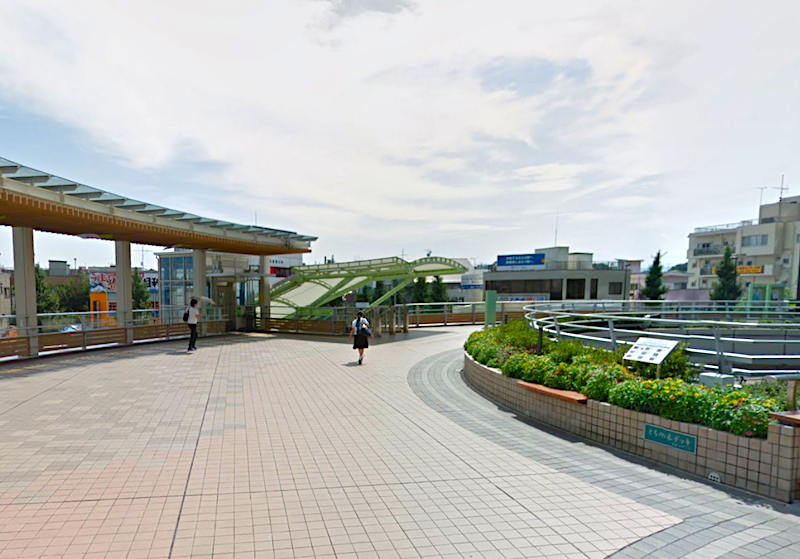
待ち合わせ場所 その3:八王子駅南口ペデストリアンデッキ
〒192-0904 東京都八王子市子安町4丁目7
ここの待合いスペースが集合場所になります。
改札付近は人が多いですがここは人が少なくオープンエアーなので安全です。
サイト内の日記用の写真撮影
サイト内の日記用の写真を撮影されていただくのは
写真撮影OKでサイトで利用OKの方のみにしています。
NGの場合は対応後のホテルのベッドの写真を撮影させてもらっています。
ゆうの部屋の利用に関して(部屋対応終了中)
ゆうは「住居用の部屋」と「対応用(テレワーク兼)の部屋」の2つを保有しており、
対応は対応の部屋で行っています。
初回はホテルでの対応をお願いしていますが
3回目以降部屋を利用したい場合はその旨をお伝え下さい。
予約されていた対応終了後の20時以降の添い寝や
お泊りには初回から部屋でも対応しています。
ワンルームでテレワーク環境を整えたので
部屋は広くはありませんが
シャワー、ドライヤー、トイレ(ウォシュレット付き)、自転車置き場、
冷蔵庫、キッチン、水道、洗濯機、コンセント(5口)、こたつ、ベッド、
バルコニー、バルコニーの机と椅子などはご自由にお使いください。
携帯などを充電してもらったりパソコンで仕事をしてもらってもOKです。
仕事終わりに乳首を舐められに来たり、ハグされに来たり、夜中に添い寝されにきたりという形で利用されています。
深夜の時間帯の対応依頼について
依頼対応が終わった深夜帯の時間帯は、
泊まりや朝まで対応がない日は深夜の時間帯も対応しています。
深夜の時間帯の対応の場合も、深夜温泉や深夜ラーメンに行っている場合があるため、
LINEで事前に空いているか確認をお願いしています。
お泊りされる方はお泊り道具(化粧落としやコンタクトケース、歯ブラシ、着替えなど)
を持ってこられることをおすすめしています。
はじめて会う時に緊張されるという場合
30分程度お互いのことを話すとほとんどの方が緊張が溶けていますが
はじめて会う方はほとんどの方が緊張されていますし、
緊張して来られるのは知っています。
はじめて会う時に緊張される場合は、
ほろ酔いを目安に少しお酒を飲んでから来る
対面テーブルではないソファー形式で横に座れるスペースがある
ホテルの部屋を選ぶという方法をとるとあまり緊張しないで済むと思います。
実際、お酒を飲んでほろ酔い状態で来られる方もいますし
お酒が好きな方には推薦しています。
また、ホテルの部屋に入っていきなり触ったりいじめたりしませんので
緊張がほぐれるまで気になっていることを質問をしてもらったり
お互いのことを話したりして緊張をほぐしてもらっています。
複数回目の場合は現在の自主トレーニングの進捗状況を確認します。
膣の締まり具合チェック・濡れ具合・感度チェック
膣の締まり具合、濡れ具合、感度に関して彼氏や旦那に
よくないと言われたり実は締りが良くないのでは?と思われている方がいらっしゃいます。
当サイトでは、膣の締まり具合、濡れ具合、
感度をチェックして他の同年齢の方と比べてどうなのか
素直に状態を伝えさせていただいています。
また締りが悪い場合は必要なトレーニング方法についてもアドバイスしています。
本格的な開発・調教・リクエスト対応は2回目から
いろいろな依頼をいただいておりますが
中には、首絞めやスパンキング、調教、アナルプレイなどのは
ある程度信頼関係が構築されてから出ないと難しいプレイもあります。
そのため本格的な調教、開発、リクエスト対応は2回目からとしています。
日記として書いている対応も3回目以降くらいからのものだけ掲載しています。
初回会う方はほとんどの方がかなり緊張されてるのもあり
初回は悩みのカウンセリングとアドバイス、簡単な感度チェック、軽い開発と調教
くらいに留めています。2回目からはお互いある程度わかっていますので
本格的に取り組んでいます。
複数回の開発時には次回までに課題を出しています
当サイトでは複数の人を対応してるため頻繁に会って開発が難しいのが現状です。
2週間に1回程度しか開発できないのが普通です。
開発を短期間で完了させるために、
中イキ開発、クリイキ開発、濡れない体質改善などの
開発に関して複数回かかる場合は次回の対応までの間に
自主トレーニングをしてもらうために課題を出していて実施してもらっています。
お付き合いできる温泉
温泉に一緒に行きたい方は3回以上会ったことがある方に限定しています。
以下の温泉でかつ車に乗っているだけでいいおんぶにだっこな内容である場合のみ
お付き合いします笑
- 湯の山温泉アクアイグニス(元片岡温泉)
- 湯の山温泉グリーンホテル
- 永源寺温泉 八風の湯
- ほしの湯
- ホテル多度温泉
- 神馬の湯
- 天然温泉 白鳥の湯
どちらの温泉も混浴ではありませんので
集合時間を決めて温泉や岩盤浴にそれぞれ入るという流れです。
基本的には条件が悪くなく、こちらにデメリットがない内容の提案の場合のみお付き合いしています。
自分で車を運転して現地へなどの場合は付き合いの長い方以外は対応していません。それなら部屋で寝ていたいです笑
お付きあい可能なスキー場
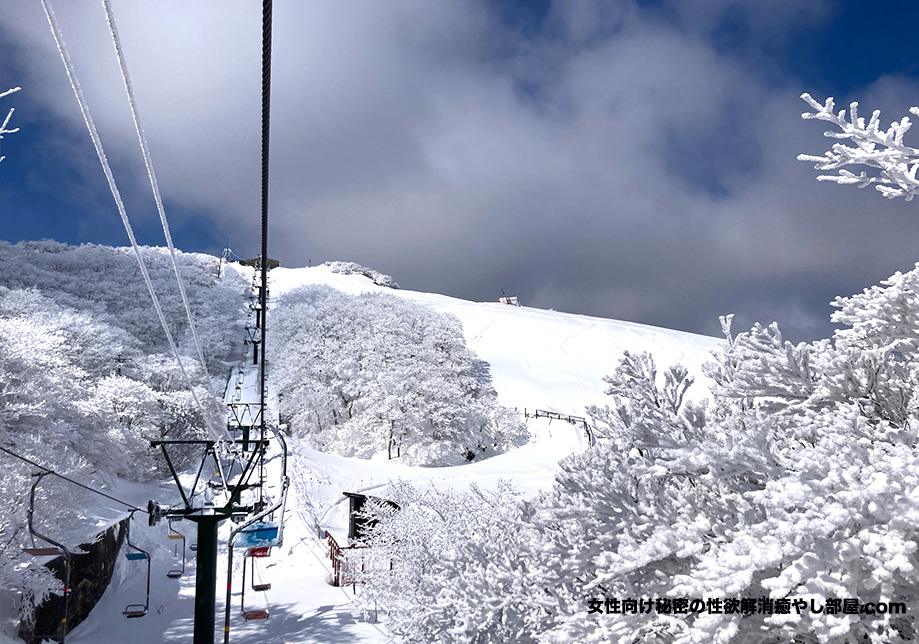
それなりのお付き合いがある方であれば以下の県のスキー場で車の横に乗っていくだけでいいという夜勤明けの半分寝ているからでもお付き合いできる内容であればお付きさせていただきます笑
- 岐阜エリアのスキー場
- 福井エリアのスキー場
- 長野エリアのスキー場
東京中イキ(膣イキ・ポルチオ)開発もの依頼にも対応中
活動拠点の中心は三重県桑名市ですが、愛知県、岐阜県、滋賀県、京都府、大阪府などの他県からの
中イキ開発・膣イキ開発・ポルチオ開発の依頼にも対応しています。
新規の中イキ開発・膣イキ開発・ポルチオ開発の依頼がほとんどですが、
他の方に依頼したけど効果がなかったという方からも依頼も一定数あります。
対応の依頼はLINE/予約フォームから受け付けていますので、
ゆうを上のLINEのQRコードから友達追加または予約フォームに必要事項を入力・送信してご連絡ください。
現状の状態をヒアリング後実際に現在の身体の状態のチェック、開発というステップで開発をしています。
返信しきれないためコメントクローズ中
コメント
夜遅くにごめんなさい。ローターを奥まで挿入し、バイブで奥を突き、更にアナルにもバイブを挿入し、クリに電マ当てて連絡しています。ご主人様を探していて前から気になっていました。ぽっちゃり体型でも飼ってもらえますか?噛まれるのが好きで体中に跡漬けられたいです。。。
あきなさん、はじめまして、ゆうです^^
変態なんですね。
対応可能な体型は
体重<身長-95であれば対応可能としています。
こちらを満たしていれば可能です。
噛まれるの好きな方は多いので
その性癖に関しては対応できるかと思います。
ゆうさん返信ありがとうございます!体重は満たしていました。LINE送ってもよかったですか?普段から通話もしてもらえたら嬉しいです。
あきなさん、こんにちは、ゆうです^^
LINEしてもらってもいいですよ。
通話は対応していない時間であれば
出来るかと思います。
ゆうさん、素朴な疑問!信用取引ってどうなんですか?自己資産の3倍まで使えるから増えやすいきがするんですけど(。>﹏<。)
突然ですね笑
信用は自己資本の3.3倍まで取引できるけど
損失が無限大だから一発で退場になる可能性が高くておすすめできない。
ハイリスク・ハイリターンを覚悟でやるなら止めません笑
自己破産した人を何人も知っています!
もっといいやり方はいろいろあるので視野を広げてみては?
はじめまして、Oggiのインタビュー記事をみて連絡しました。八王子の京王線のほうに住んでいます。42歳 (独身 48キロ 細身 Bカップ VIO脱毛済)でも会ってもらえますか?年齢より若く見られることが多いです。お返事お待ちしています。
亜美さん、はじめまして、ゆうです^^
対応可能年齢は40までにしていますが
実際は確認していないので特に問題はありませんよ!
よろしくお願いいたします。
こんばんわ
4月の予約はもう空きはないのでしょうか?
予定は調節できます
yukoさん、はじめまして、ゆうです^^
4月はもうあまり空いている日はないですが
こちらの空いている予定に調節してえれば
対応できるかとおもいます。
カカオトークかLINEからご連絡ください。
https://xn--08jm2e5dq08sh0gc9dr4a47uea1122ab4fz35aw4kju2dvqxa.com/campaign/
こんばんわ
お返事ありがとうございます
ピンポイントでいいので空いている日は
教えてえもらえますか?
ゆうです^^
こちらで書くとすぐに埋まってしまうので
LINEまたはカカオトークから個別でご連絡ください。
https://xn--08jm2e5dq08sh0gc9dr4a47uea1122ab4fz35aw4kju2dvqxa.com/campaign/
ゆうさんこんばんわ
30歳の独身OLです
テレワーク中のクンニの依頼はこちらでよかったでしょうか
たぶんゆうさんのお住まいの近くの八日町に住んでいます
平日10時〜12時の2時間が希望です
仕事中にお仕置きされたいのが本音です
すごくたくさんの依頼が来ていると思うので日程はできるだけ合わせます
よろしくおねがします
麻美さんはじめまして
同じ八王子に住んでいるとむといいます。
麻美さんが1人でしてることを想像して自分もあそこを大きくしています。
ゆうさんじゃないとダメかもしれませんが
よかったら、気持ちよくしてあげたいです
黄色で話せませんか?
edcsa32
ゆうさんに
お願いしたいので
ごめんなさい
麻美さん、はじめまして、ゆうです^^
テレワーク中のクンニ対応も依頼をもらった方に対応しています。
八日町はゆうの部屋から近いです。
平日空いている日があれば大丈夫です!
予約制にしていますのでLINEまたはカカオトークから
予約ください^^
https://xn--08jm2e5dq08sh0gc9dr4a47uea1122ab4fz35aw4kju2dvqxa.com/campaign/
ゆうさん、はじめまして。
結婚してから八王子の子守町のマンションに住んでいるものあかねです。
新婚1年目なのに旦那とセックスレスで性欲が強いのが悩みです。
平日昼間に会っていただくことは可能でしょうか?
身長は153cm体重は48キロで少し重めでかなりのMです。。。
叩かれるのと言葉責めが好きです。
昼間は毎日暇しているので継続してお願いできれば。
よろしくお願いします。
あかねさん、はじめまして、ゆうです^^
平日昼間も夜勤明けや休みの日であれば可能です!
それなりに予約が埋まっているので
こちらから日程は提案させていただこうと思います。
Mな女性はかわいくて好きです。
小守町もかなり近いので相性が合えば
ご要望にお答えできるかと思います^^
予約ページからご連絡ください。
https://xn--08jm2e5dq08sh0gc9dr4a47uea1122ab4fz35aw4kju2dvqxa.com/campaign/
ゆうさんはじめまして。乳首オナニーが大好きな人妻です。平日昼間に夕方まで乳首をずっと舐めたり噛んだりしてくれませんか?希望はホテルフロンティア八王子です。お願いします。
さやかさん、はじめまして、ゆうです^^
ご依頼ありがとうございます!
平日昼間〜夕方はそれなりに予約が入っていますので
空いている日であれば可能です。
希望場所としてほしいこと承知いたしました。
乳首舐めと乳首いじめはそれなり経験があるので
大丈夫かと思います。
依頼は予約制にしているので予約ページから
予約をお願いします。
https://xn--08jm2e5dq08sh0gc9dr4a47uea1122ab4fz35aw4kju2dvqxa.com/campaign/
こんばんは。夜分遅くにごめんなさい。
27歳聖蹟桜ヶ丘住みの会社員です。
遠距離の彼氏がいるのですがノーマルすぎて物足りない日常を過ごしています。
露出散歩と拘束エッチ、添い寝をして欲しくて連絡しました。
ゆうさんと同じでキスがすきです。
まだ空きはありますか?もしあったらあたしも入れてください。
1回だけでなくて長く付き合っていける関係が希望です。
八王子までは20分くらいで行けます。
よろしくお願いします。
えみさん、はじめまして、ゆうです^^
ご依頼ありがとうございます!
ノーマルのエッチに物足りないからという
理由で依頼される方もけっこういますし
散歩、拘束、添い寝、キスはどれも対応可能です。
キス魔なのでキス好きな同じで嬉しいです^^
5月はまだ予約が空いている日がありますので
こちらのページから予約をお願いします。
https://xn--08jm2e5dq08sh0gc9dr4a47uea1122ab4fz35aw4kju2dvqxa.com/campaign/
出張お疲れ様でした♡
ライン届いていますか???
今月空いている日はありますか?♡♡
ゆうくんのとろとろちゅー恋しい♡
えりなさん、ありがとうございます^^
LINEは溜まっていてまだ返せていません
少し待っていてください!
今月は23の週に空きが2枠あります♪
トロトロのちゅーいいですね^^
今日中にLINE返信しておきます!
ゆうさんおかえりなさい(*´艸`*)ゆうさんのハグとなでなでなくてさみしかった♡
麻美さん、おひさしぶりです^^
ただいまです!
なでなでとぎゅーしばらく
なでなでぎゅーと添い寝
お預けでしたね^^
帰ってきたのでいつもの夜中の
時間だったらしてあげられますよ^^
ゆうくんおかえりなさい!
夜添い寝行って良い日ありますか??
そろそろ癒しが足りなくなってきましたww
ありがとう!無事に帰ってこれました^^
予約分が終わった後の
夜中の時間なら大丈夫かな笑
癒やしは乳首舐めと
拘束潮イキエッチのことかな?笑
お泊りの用意しておいで^^
ゆうさんはじめまして。29歳・独身・1年前に彼氏と別れてそれ以降エッチはしません。欲求不満で在宅ワークが増え、一日中家にいると無意識で股間に手が伸びいつの間にかオナニーしている…そんな毎日を繰り返しています。スタイルは悪くないと思っています。予約でいっぱいだと思いますがゆうさんの空いている時間があれば添い寝や開発をしてもらえませんか….LINEで連絡を取りたいです。
マリさん、はじめまして、ゆうです^^
連絡いただきありがとうございます。
1年していなくて在宅ワークだと
欲求不満になるのはよくわかります。
どのような開発が希望がかわりませんが
添い寝とアブノーマルな開発でなければ
対応可能かと思います。
それはだいぶ溜まっているみたいですね。
予約は5月分は全枠埋まってしまったので
6月かそれより早くであれば
夜中の時間帯であれば空いている日があります。
LINEはこちらの依頼ページから
もらえれば個別で連絡が取れます^^
https://xn--08jm2e5dq08sh0gc9dr4a47uea1122ab4fz35aw4kju2dvqxa.com/campaign/
仕事終わりのムラムラエッチしたくてもゆうくん忙しくてムラムラ治らない///なんとかして><
最近会ってなかったね^^
貸してある電マとバイブいれて
乳首摘みながらイクと収まるかもよ?
それでも収まらなかったら
ノーブラノーパンでおいで笑
ゆうさんから返信嬉しい!
それ頭真っ白になる好きなやちゅ///
舌くちゅくちゅのきもちいキスもください///
仕事終わったら会社でNPNBにして八王子行きます♡
今日の18時から明日の8時まで予約します!
了解!とりあえず予約完了です。
歩けないと行けないから駅の会社に迎えに行くね!
リモコンバイブとローター着用してすこしオクトーレ散歩して部屋まで帰ろうね笑
駅につく時間LINEください^^
ゆうさんこんばんわ
今週夜空いている日ありますか??
ハグなで恋しくなってきました><
こんにちは^^
来週は夜20時以降なら空いている日あります!
ここに書くと大変なことになるのでLINEで送りますね笑
調布のあやのです お仕事お疲れさま( ˶ˆ꒳ˆ˵ )エヘヘゆうさんに甘々されたいトロトロのエッチなキスずっとしてたい(⸝⸝⸝ᵒ̴̶̷ ⌑ ᵒ̴̶̷⸝⸝⸝)来月空いている日はあったら会ってほしいです・・・
あやのさん、お久しぶりですね、ゆうです^^
あまあまトロトロのキスいいですね笑
来月はこちらの空いている日に合わせて貰えれば会える日あります!
直接LINEの方にいただけたら^^(返信おそくてすみません)
LINEしました 時間のあるときに返信おまちしています(⸝⸝⸝ᵒ̴̶̷ ⌑ ᵒ̴̶̷⸝⸝⸝)
ゆうさん初めまして♡港区在住、Arisaです。先日まで妊婦でした♡産後は性欲が弱まるって聞いてたけど、むしろ強くなりました。何度イッてもオナニーがやめられない変態です(〃ω〃) 旦那とはレスなので他の方の予定がない時でいいので私のこと犯してください…中だしが好きです♡LINEも返信まっています(〃ω〃)
ありささん、はじめまして^^
ゆうといいます。
産後性欲が止まらくなる人いるみたいですね!
そうゆうのエッチで好きですよ笑
他の対応もあるので空いている日であれば笑
どうゆうことをするのか当日いろいろと話しながら決めましょう^^
LINEさっき返信したので確認してみてください!
ゆうさんおはようございます♡Arisaです。返信もらえると思っていなかったのですごく嬉しくてひとりニヤニヤしてました♡かなり性欲が強くてエムなので可愛がってください(〃ω〃) ゆうさんにも気持ちよくなってもらえるようにがんばりますね♡
ゆうさんはじめまして
はじめて連絡します
身長155 体重54 バスト94 ウエスト65 ヒップ90
のあたしの体型は会ってもらえますか?
彼氏はいるのですがノーマルエッチで満足できません
ゆうさんに定期的に会ってもらえるなら彼氏と別れようと思っています
休みの日で特に予定がない時は朝から晩までオナニーしてます
変態な女でごめんなさい。
大丈夫であればLINEします
由奈さん、はじめましてゆうです^^
あまりコメント返信できていなくて遅くなりました。
体型は体重が身長-95キロまでの方であれば大丈夫です!
その体型なら何も問題ありません^^
そうゆう方はけっこう多く対応しているので
彼氏になってくれということでなければ
ある程度は満足していただけるかと思います!
ここだと返信が遅れるのでLINE直接いただければ助かります^^
8/9の10時からホテルで会ってもらった杏奈です ゆうさんにいっぱいしてもらったのに朝から何回もイッちゃっいました 中イキできるようにしてもらったのが気持ちよすぎてとまりません・・・夜中でも会いに行くからLINEくれたら幸せです
乳首が弱い看護師の杏奈ちゃん^^
ちゃんと覚えていますよ!
中イキできるようになるとオナニーも
気持ちいいでしょ?笑
夜勤明けで次の日が非番の日に
来るのがいいと思います^^
今日中に空いている日をLINEで送っておきます!
ゆうさんお疲れ様です杏奈です夜勤終わって日勤に引き継いできました 覚えていてくれてうれしいです(>ω<)今月は夜勤結構あるので予定あうといいな♡他の日もゆうさんが空いている日だったら遊びにいっていいですか?LINEお願いします ゆうさんやさしい♡
お疲れさまです!めぐみです♪
来週22日〜28日で空いている時間ってありますか?
なでなでぎゅーして添い寝してほしいです///
どのめぐみさんかピンと来ませんが!
LINEのほうに連絡もらえたら空いている日
確認して返信しますね^^
仕事疲れた!もう行きたくない( ;∀;)ゆうくん焼き肉行こ!月曜日21時くらいから!
お疲れ様!よく頑張りました^^
牛角レベルなら付き合ってられそう笑
予定調節してみます!
21時〜翌日13時まで予約します!ゆうくんキープしとかないとすぐ埋まる(*˘︶˘*)
ゆうさんそろそろ限界かも、、、毎日声押し殺してオナニー無理すぎてイキ狂いたい、、、ゆうさんに会いたい、、、LINEくれたら飛んでいきます
もう我慢できなくなっちゃったんだ
まだ3日しかたってないよ?
今日かな?22時からなら八王子の部屋に行く予定だから
直接おいで^^お泊り道具持ってきたほうがいいよ!
ゆうさん連絡うれしい、、、変態でごめんなさい、、、限界なので今から行ってオートロックの前のところでゆうさん待ってますタオルとシャワー貸して下さい。。。
せっかく平日で人が少なくなってくる
時間だから温泉と岩盤浴いこっか!
サウナ入ったら発情収まると思うから
温泉セットも持っておいで^^
はーい!ゆうさんしゅき
はじめまして、世田谷に住んでいるともみです。VERYを見て連絡しました。身長153cmの46キロで細身で胸は大きくはないです。中イキ開発をしてもらいたいのですが可能ですか?今は出張サービスはやっていないのでしょうか?金曜日と土曜日なら八王子までいけます。空いている日があればおねがいしたいと思っています。よろしくおねがいします。ともみ
ともみさん、はじめまして、ゆうです^^
連絡ありがとうございます。
中イキ開発は他の方の予約がない日であれば可能です。
八王子市内以外の出張サービスはコロナウイルス感染拡大の影響で現在はしておりません。
承知いたしました。
空いている日をお伝えしますのでLINEで連絡をお願いいたします。
※こちらのコメントでは空いている日を書かないようにしています。
以前から楽しく拝見していました!僕も舐め犬サイトをやっています。うちのサイトにはぜんぜん連絡とかこなくてこちらで対応できなくて溢れた女性を紹介してもらうことはできますか!
サイトを見ていただきありがとうございます^^
女性を紹介するようなことは
信頼を失うことに繋がるため行っておりません。
1つ1つ丁寧に3年ほど続けて結果を出していれば
対応できないくらい依頼が来るようになると思います。
ゆうさん、はじめまして!彩夏です。
42歳でも受けてもらえますか
依頼ページに40歳までと書いてあったので聞いてみました。
32〜35歳くらいに見られるので見た目は悪くないと思います。
見た目はよくある質問ページにあった動画のゆりさんみたいな感じです。
LINEをさせてもらってもいいでしょうか?
彩夏さん、はじめまして、ゆうです^^
返信が遅くなりました!
年齢は確認したりしないので40を超えていても
実際のところは大丈夫ですしそうゆう方もいます。
細身であれば全く問題有りません。
LINEどうぞ!
ゆうさんこんばんわ 京王八王子駅の近くで一人暮らし調布で看護師をしています。実は乳首をいじめられるのと舐められるのが好きでゆうさんが空いている時にわたしの部屋やゆうさんの部屋で乳首責めと寂しいので添い寝をお願いしたくて連絡しました。今年24で彼氏はいません。去年までずっと彼氏がいました。容姿は普通だと思います。身長が153 体重47で胸はFカップあります。必要でしたら顔写真と体全体の写真を送れます。夜勤でない時は夜中でも時間があるのでゆうさんが彼女がいない間彼女代わりにしてくれるともっと嬉しいです。夜添い寝とたまに気持ちよくしてくれたら他の女性と会っていても気にしません。趣味は温泉と旅行 読書 ラーメンが好きです。尽くすのが好きで少し重いかもしれません。それでもよかったらお願いします。
彩香さん、はじめまして、ゆうといいます。
同じ八王子なんですね!看護師さん尊敬しています。
体型問題ありません。写真送らなくて大丈夫です^^
添い寝とかぜんぜんしていなくて足りてないのでそれくらいなら歓迎です!
乳首舐めも好きなので泊まりなら夜から朝までたっぷりできると思います。
趣味がほとんど同じですね!メインはLINEでのやり取りなのでいつでもいいので登録して話しかけてくれると助かります。
※こっちは週に1回〜2回くらいしか見れません。
ゆうくん華金❤️
ラインまたみていない❤️
朝までゆうくんと宅飲みしたい❤️
そしてスキスキラブラブエッチしたい❤️❤️
思い出すだけけでムラムラして濡れる❤️❤️❤️
れなれな、返信おくれた!
LINEはさっき返信したけど
今日なら宅飲みOKです^^
エッチなことはダメですよ笑
ゆうくんお疲れ様❤️
今日お泊りで行く❤️
ピンポンしたらあけてね❤️
ゆうさんおかえりなさい
先月あってもらったゆきえです覚えていますか?
今週か来週の平日のどこかで
空いている時間があったら乳首いじめてください
ゆきえさん、こんばんは!
もちろん覚えていますよ^^
対応可能日カレンダーで○の日を予約しておいてもらえれば!
乳首「だけ」いじめますね笑
ゆうくん出張長かったね!ゆっくり休んでね⸜(๑’ᵕ’๑)⸝
ありささん、こんばんは!
ありがとう!死んだように睡眠します笑
友里恵です。
ゆうさん6日か8日の
夜温泉いきませんか?
夜温泉いいですね!
6日22時八王子駅改札出口
集合のいつもの感じならお付き合いします^^
ありがとうございます。
22時に改札のとこ集合でお願いします。
ゆうさんのお部屋泊めてください(._.)
長い出張お疲れさまです
出張とかあたし行ったこと無い
宅飲みしましょ〜♪
今月土日でまだ空きがある日があったら
予約したいです!
ありがとう!
出張は一人で行くならいいですね笑
対応可能日カレンダーで○の日を予約しておいてもらえれば!
まだ1箇所空いていたはず笑
は〜い♪予約送りました!
あたしの部屋もいつでも来てください〜♪
出張お疲れさまでした
一緒に行った子とはエッチしたんですか?笑
14日よろしくおねがいします♡♡
新しい下着履いていきますね♡♡♡♡
ありがとう!してないですよ^^
仕事関連の人とはそうゆうことはしません笑
またエッチな下着買ったんでしょ笑
楽しみにしておきますね!
世田谷のゆりです。
排卵日が近いせいもあるんですけど
ムラムラしてます☆
平日昼間空いている日あったら教えて下さい!
ゆりゆりお疲れ様!
対応可能日カレンダーで○の日を予約しておいてもらえれば!
排卵日関係なくムラムラしてるの知ってるぞ笑
おはようございます!通勤中です☆
予約しました!見ておいてくださいね☆
それはゆうさんが焦らすからムラムラするんです☆
あまり焦らすと襲っちゃいますよ?!
ちょっとした小旅行ですね!!あたしも出張一緒に行きたい お世話係しますよ
ありがとう!
出張中リモコンローター挿れられて
いろいろなところでバックで犯されるのに仕事できるかな?笑
お疲れさまです!お昼休憩です
そんなことされてたら歩けなくなる(。>﹏<。) ホテル戻ってからいっぱい犯してください...
出張おかえりなさい
ゆうさんすごい人気ですね
今日はクリ吸引おもちゃをクリに当てて
スカートで仕事していました
ゆうさんにかわいがってほしいです
れいこさん、ありがとございます!
え!そんなエッチなことしながら仕事してたんですか?
これは昇格間違いなしですね笑
クリ吸いながらバックで一晩中犯されたいのかな?笑
はい…
クリ吸引されて言葉責めされながら
中だしエッチで朝までずっと愛されたいです…
前みたいにお尻も叩いてもらえたら幸せです…
ゆうくん帰ってきた!
テレワ終わってからハグして〜
ノーパンで電車乗って行こうかな〜ダメ?
無事?に帰ってきました!笑
ノーパンで来たらすぐ指挿れられて潮吹きさせられますよ?笑
対面騎乗位で奥お仕上げながらならハグしてあげるね^^
はい!潮吹きさせられたいです♡
何回もイッてもいいですか?
ゆうさんの身体びしょびしょにしてお仕置きされちゃう♡♡
セフレでも都合のいい関係でもいいから毎週会ってください♡
仕事中なのに思い出して発情しちゃいました♡♡今すぐにでも会いたいです
ゆうといたら変態な身体に開発されちゃうからちゃんと彼氏は作ったほうがいいと思うよ!
ちゃんとおねだりできたらイかせてあげるね笑
手と足を拘束されても文句は言えないよね^^
それされたら何回もイッちゃいます♡♡
でも今までの彼氏よりゆうさんのほうが
ありさのこと大事にしてくれるから幸せです♡♡
LINE返信楽しみにしながら仕事がんばってきます!
ゆうさんもお仕事頑張ってくださね
ゆうさんは他のサイトの人が
どれくらい信頼できるか知ってたりするんですか?
友達が中イキ開発してる人に頼んだらゴムつけないでエッチされただけみたいです。
開発という開発もされなかったみたいです。
あたしがゆうさんに可愛がってもらってるのでゆうさんのことを話せるわけなくモンモンとして聞いていました。
ゆうさんとられちゃうの嫌だし(*´艸`*)♡
麻美さん、お疲れさまです!
結論から言うと、知っています笑
別に誰かに取られたりしませんよ笑
理由は他のところでダメで一度見てもらえませんかという方を対応しているので
どこで何をされたのか、ダメだったか、ヤリモクだったのかというのは
日本全体エリアでだいだい知っています笑
そうゆう話はよく聞きますし普通に中イキできるようになっているので
そもそもそうゆう気がないのかスキルがないのかどちらかなのでしょう。
うちのサイトは満たされていない人の女性対象のサービスなので
ヤリモクなんてもんじゃないです笑
初回から何時間もエッチすることも普通ですし
相手もお酒とか飲んでその気満々でくるのでこっちが身構えます笑
ゆうさんお疲れさまです(*´艸`*)♡
ゆうさんの周りの積極的な子に取られちゃう(。>﹏<。) ゆうさんに出会って初めてLINEの未読が1000件以上いけるんだって知りました 結局関東でちゃんと開発できる人ってゆうさんだけなんじゃないかなと思ってるんですけど。 ここには書いていいのかわからないから来週会った時に詳しく教えて下さい!!
ゆうさん、お疲れさまです。緊急事態宣言解除されましたね やっと仕事が落ち着いてきました。ドンキが夜中も営業再開したらまたノーパンスカートの露出デート連れて行ってください…あれキュンキュンして好き…それまでに脱毛でツルツルにしてきますね(*μ_μ)
ななちゃん、こんばんは!
お仕事おちついてきてよかった^^
ドンキ再開してたかわからないから今度見てくるね!
足伝うくらい濡れてたもんね笑
じゃあ綺麗になってるか目の前でチェックさせてもらおうかな!笑
ゆうさん、こんばんは。それは恥ずかしいから言わないでください(。>﹏<。)ゆうさんに会えるの楽しみです♡
ゆうさんこんばんわ排卵期なので身体が疼いて我慢出来きなくなってきちゃった..土日の夜部屋にいたりしますか??
今日の夜は19時から部屋にいるよ!月曜日仕事だから来るなら仕事の準備とお泊りセットをお忘れなく!
はーい 準備したら八王子向かいます 駅につく時間LINEします 硬いので壊れるくらい奥犯してください…
はじめまして。結婚後、セックスではイケない、というかイったことがありません。最近はセックスレスになってしまい性欲が溜まっています。156cm/46kg/C/28看護師で立川在住です。体型に問題なければ定期的に会ってもらうような関係が希望です。平日昼間が都合がいいです。よろしくおねがいします。
ゆあさん、はじめまして^^
はい、同様の相談はそれなりに受けていますのでなんとなく状況はわかります。
体型は問題ありません。むしろ痩せすぎじゃないかと少し心配になりました。
どれくらいお力になれるかわかりませんが対応可能日カレンダーで○の部分を予約してもらえれば大丈夫です!
ただし手動で更新しているので○でも埋まっていることがあるのでLINEからご予約ください。
ゆうさん、返信ありがとうございます。こんなに早く返信もらえると思っていなかったのですごく嬉しいです。先程LINEでお願いしたい日をおくりました。山川結愛がわたしです。よろしくおねがいします。
ゆあさん、こんにちは^^
確証を持てなくて返信できてなかったのですがどれかわかりました!
今度はできるだけLINEの方でお願いします(LINEのほうが返信が早いです)
こちらこそよろしくおねがいします^^
一ノ瀬さまはじめまして。立川在住のしおりです。
大きなおしりしか取り柄がありません…
おっぱいは小さいですが、乳首は敏感な方だと思います。
後ろから舐められるのが好きです。
月に1回〜2回くらいホテルで会ってもらうのが希望です。
よろしくおねがいします。
しおりさん、はじめまして、一ノ瀬悠です。
大きなお尻はアピールポイントだと思いますよ!
おっぱいのサイズは特に条件はないので空きがある日でしたら大丈夫です。
対応可能日カレンダーの○の日をLINEまたは予約フォームからご予約ください。
ゆうくん、こんばんわ
最近寒くなってきて人肌恋しい>< 今年もあまあまな添い寝お願いします♪ 金曜日にお泊り行っていい日教えて下さい!
ななちゃん、こんばんは^^
最近寒くなってきましたね!
添い寝だけなら大歓迎です!
さきほど大丈夫な日をLINEしておきました^^
ありがとうございます!ゆうくんやさしい♡
ゆうくんバイク乗ってたんですね!?あたしもスズキのGSX250R乗ってたり!ぜひぜひツーリング連れて行ってください!
あゆみんバイク乗ってたんだ!
元気で活発なあゆみんにはバイクはいい趣味だね^^
GSX250Rいいですね!あっきーの影響かな?笑
女友達と行ったほうが楽しいと思うけど笑
ゆうでいいいなら休みの日奥多摩とか山梨とか草津とか行きましょう!
一ノ瀬様はじめまして。関西で中イキ開発サイトを運営している康太というものです。突然のコメントすみません。6年ほど運営しているのですがアクセスは1日5〜20件くらいで依頼は月に0件がほとんどで多くて2件で一ノ瀬様のような有名にならないのに悩んでいます。どうしたらアクセス数と依頼数を増やせますか?こちらのサイトがメジャーな女性向け雑誌の多くに掲載されていることは存じ上げておりますが私は1件もそのよう実績はありません。一ノ瀬様にメリットはなにもないのは承知の上でなにかヒントでもいただけたら幸いです。広告費や掲載先なども可能でしたら教えてもらえたら…よろしくおねがいします。
はじめまして。サイト運営と対応お疲れさまです。
このサイト実は金額を聞いた人が誰もが驚くほどお金がかかっています。
詳細を書いたらかなり長くなってしまったので
通知用に登録してもらっていたメールアドレスに送りました。
ご確認ください。
ゆうさん、はじめまして。
以前からサイト楽しく見させていただいていました。
155cm/B80・W55・H85/41kg/27歳ドM/アナル拡張調教済で
いじめらえるのが大好きです。依存体質です…
調布でひとり暮らししていて新宿の商社の受付嬢をしています。
よく川栄李奈に似ていると言われます。
長時間フェラと中だし、おもちゃ挿れられて露出散歩、言葉責め、唾液飲まされながらのディープキス
スパンキング、オナニー管理と報告が好きでされたいです。
ゆうさんがお仕事中机の下でずっとご奉仕できますし好きなように使われたいです。
1年前までご主人様に飼ってもらっていましたがいまはいません。
尽くすのが好きで他の子とエッチしていても気にしません。
ゆうさんが空いている日にかわいがってほしくて連絡しました。。
重い女かもしれませんが相性がよかったらご主人様になってくれたら幸せです。
アフターピル常備していますので好きな時に中だししてください。外でも…
予約はどうしたらいいですか?
LINEいきなり送って嫌われないか心配でコメントしました。
平日の夜都合がいいです。
ひとり暮らしなので好きな時に部屋に来てもらったりもできます。
本名はLINEしたときにお伝えします。
深夜でもいいので返信おまちしています。
よろしくお願いいたします。
美咲さん、はじめまして、ゆうです。
以前から日記をみていただいてありがとうございます!
体型問題ありません。結構Mみたいですね^^
同じような方も多いのでどれも普段からしているので対応可能です。
1度お会いしてみてお互い相性がよければ継続という形になるかと思います^^
予約は予約フォームの○になっている日をLINEまたは予約フォームから
予約希望と連絡を貰えばその日は開けておきます。
部屋に来られるのは不安だと思いますので何回かあって仲良くなったら調布を通る時に
寄らせてもらう醸しません。LINEしてもらって大丈夫です^^
よろしくお願いします!
ゆうさん、返信ありがとうございます。
会ってもらえるかずっと心配でここ数日寝られませんでした。
変態でゆうさんに尽くしたくてたまらないので末永く飼ってください。
いつでも呼びつけてくれたらすぐに会いに行きます。
LINEしました。いつでもいいので返信おまちしています。
ゆうさんに会ってもらえるだけで幸せです…嫌われないようにがんばります。
よろしくお願いいたします。
今月予約遅れたらやっぱり他の子で埋まってた★24日、29日、7日は空きなしみたいだけど夜一人で部屋にいる日はありますか?他の子終わった後でいいです★また朝までずっと乳首責められたくてうずうず♡♡♡
お疲れ様^^ 29日は部屋にいるよ!
7日はいないけど来るなら部屋に行くようにします!
乳首舐め好きだもんね朝まで12時間くらいずっと言葉責めしながらいじめてあげないとね笑
ゆうさんお疲れ様★29日と7日両方会いたいです♡予約お願いします♡♡朝までずっといじめてお仕置きもしてください♡
29日と7日予約完了です!
由美子です。
今日は娘の模試がある日でした。
娘を会場まで送り届け、
試験終わりを待つ間に、トイレでオナニーしまくりました。
濡れ濡れのマンコにおちんちんを突っ込まれて
言葉責めされながら、めちゃくちゃに犯されたい。
土曜日、陰毛を剃っていちばん扇情的な下着をつけて会いに行きます。
たくさん可愛がって下さい。
ゆうさんこんばんわ
府中の麻美です。
最近寒いしそろそろ癒しが足りなくなってきました
添い寝してもらえる日あったらまた教えて下さい♡
あさみん、おはよう!笑
最近寒いですね!八王子の夜は0度以下でいい感じです笑
了解です!夜空いている日LINEで送っときます!
ゆうさんそろそろ我慢できなくなってきました….。
奥いっぱいお仕置きしてください….。
こんばんは!
何が我慢できなくなってきたのかな?
ホテルついたらすぐ拘束してドアに手付かせて後ろから犯してあげるね笑
ゆうさんおはようざいます!
ゆうくんの濃い精子最近飲めてなくてうずうずになっちゃった>< 11/19か26どっちか泊まりに行っていい日ありますか??
おはようございます!笑
また頭押さえつけて喉の奥にたくさん注いであげないとね笑
26日の21時〜翌日の11時までならOKです!
来るならLINEで予約しますと連絡もらえれば押さえておきます!
遙です。ゆうさん昨日は仕事あるのに会ってくれてありがとうございました!朝から思い出してひとりでいっぱいしちゃったまた来週会ってもらえるの楽しみにがんばります!!
こんばんは!
いえいえ!わざわざ八王子まで来てくれてありがとうございました笑
あんなに拘束されていじめられたのにもう我慢出来ないなんてドMですね笑
今度はクリを電マ攻めしながら奥犯してあげないとですね笑
はじめまして、突然のご連絡失礼いたします。
43歳の優美といいます。既婚ですが旦那とはここ4年ほどしていません。
雑誌のポルチオ開発の取材記事をみて一番ゆうさんが信頼できそうだったので連絡しました。
結婚後何人もと不倫を繰り返していましたが、本当の
セックスではイケない、というかイったことがありません。
いつもイクふりをしていました。
でもエッチなことは大好きで毎日ムンムンとして過ごしています。
他の女性の対応でお忙しいのは承知で中イキ開発とセフレのような感じで
定期的に会ってもらうことはできますか?
相模原なので八王子は車で30分くらいで行けます。
Mなのでゆうさんの性欲解消として1日中でも犯してくれてもいいです。
30代まで雑誌のモデルをやっていたので容姿は悪くないと思っています。
22時くらいにLINEしました気がついたら返信くれたら幸いです。
優美さん、はじめまして当サイトを運営しているゆうです!
雑誌から連絡いただきありがとうございます!
同じような悩みを持った方、多く対応していますのでその悩みはわかります。
定期的の頻度はわかりませんが空いている日で予定が合えば大丈夫ですよ!
かなり性欲が強く犯すの好きなのでそんなことを言うと丸1日犯されて歩けなくなるかもしれません笑
正直スタイルや見た目は気にしていないのですが期待しておきますね笑
ちょっとLINEぜんぜん返信しきれてなくて今日、明日中には必ず返信しますのでしばらくお待ち下さい!
12/10に会ってもらったあやのです
おかげさまで無事に一人でも中イキできました!!
ほんとゆうさんのおかげですありがとうございました!!
1月いつでもいいので空いている日あったらまた会ってください!!
今度はゆうさんにも気持ちよくなってほしいなって思ってます!!
ゆうさんはじめてあったのに昔から知っている友達みたいでなんかすぐ会いたくなります!!
あやのさん、こんばんは!
一人で中イキできるようになっていて安心しました。
大したことしていないのでお礼とかぜんぜんいいですよ笑
1月は空いている日もあるけどいつでもいいと言われると
早く予約した人順にあっていくので予約してもらえれば笑
優しいですね!こんどはゆうが気持ちいいやり方教えますね笑
こんばんわ、今年ももう少しで終わりですね。
初詣来年も一緒にいけるの楽しみにしています!
ゆうさんの好きなパール付き下着で高尾山散策とかしてみたいかも!
Tバックのほうがいいですか。
れーこさんこんばんは!
今年もあっという間の1年でしたね!
パール下着とかTバックは最高ですね笑
どっちも好きなので今度はパール付きで次はTバックでお願いします!
パール付きの下着だと高尾山の駅から出て歩けなかったら手を引いて強制的に歩かせますからね笑
ゆうくんLINE見てる??ゆうくんのみいこー
LINEぜんぜん見れてなかった!
今週は23時以降なら空いている日あるからその日なら!笑
お疲れ様ー!お昼休憩だよ
ゆうくんいろいろな子から連絡きていそがしいもんねー
今日の夜と22日の23時から予約する!
ゆうくんになでなでしてもらって寝かしつけてもらうー
ぜんぜん忙しくないからいつでも連絡しておいで!笑
かまってあげられなかったらちゃんと予約しておいたよ笑
なでなでして添い寝ね!了解!
仕事終わる時間わかったらすぐLINEいれます!
ゆうくんがまた変わったベッドシーツ買ってるっ
大量潮吹きでお亡くなりになられたので新調した笑
追いきれないので
一時的にコメント受付中止します!
2月に会ってもらった名古屋のさくらです。
先日はありがとうございました!!
中イキ開発してもらったばかりだけど・・・・
乳首イキも開発してほしくて伝えるの忘れていました!!
少しだけ余裕ができてきたのでコメント再開します!
ゆうくんカカオみてる???笑
ゆうくんに調教してもらったおかげ?で
イキながら歩けるようになったよ!褒めて♡
相変わらず大忙しですね!
ゆうさんがNeko Hacker聞いてたのが嬉しい(*´艸`*)♡
あたしも好き♪
たまたまね!笑
わかってくれてうれしい笑
菰野の由美です!!
コメント復活してたからキタンゴォ!
ぜんぜん一番乗りじゃなかったあああ
ゆうさん今はどこのいるの?四日市?
そうゆうときもある笑
今日は四日市にいるよ
ゆうさん瑛里華です
ここ数日LINEの返信がなくて
乳首噛んでもらいたかったけど
過労とかで入院してないですか心配!
もし入院とかしてたらお見舞い行くので
入院先教えて下さいね
久しぶりに過労で入院してます笑
入院して休暇を取るのは平常運転なので大丈夫ですよ!
入院先はここに書いてもいいのかな
LINEに返信しておきますね!!笑
はじめまして三重県鈴鹿市に住んでいる美樹といいます。この歳で中イキができず旦那ともレスになってしまい性欲が強いので月に2回〜3回くらい私もゆうさんに可愛がってもらいたくて連絡しました。33歳でも会ってもらえますでしょうか?年齢制限などあったら教えて下さい。お忙しくてコメントあまり見れてなさそうですのでLINEいきなり送ってもよければLINEで直接やりとりできたら助かります。よろしくおねがいします。
美樹さんはじめまして、当サイトの運営をしているゆうです!
33歳は全然問題ない年齢でそれ以上の年齢の方もけっこういるので心配しなくても大丈夫です。
同時進行で対応しているので月によって変動はありますが月に1〜3回くらいは多分時間作れます!
1回も無理なときも当然ありますがその場合は事前にお伝えしています。
コメントぜんぜん見れてないのでLINEで直接送ってもらえると助かります!
コメントよりずっと見てますし返信は早いです!笑
よろしくおねがいします!
ゆう様返信ありがとうございます。連絡もらえないと思っていたのですごく嬉しいです。ゆうさんの性欲解消にもなれば嬉しいです。かなり濡れやすく感じやすい体質のため好きなように使ってもられたらそれだけで幸せです。すぐ濡れてしまうので逆に心配です。お言葉に甘えてLINEさせていただます。あとはLINEの方でよろしくお願いします。美樹
土日雨で暇です:D
ゆうさんアクアイグニスに行く予定はありますか?
行くなら教えて下さい
あれ?もしかしてゆうさん入院してますか??
愛知県の病院なら遊びに行くのでどの病院か教えて下さい!
マックシェイクチョコレート味買っていきます!!
入院して休暇をとっております笑
マックシェイク!?Lサイズかにゃ(ΦωΦ)
看護師さんにばれると
没収されて目の前で仁王立ちになって
飲み干されるのでバレないようにもってきてくれにゃ(ΦωΦ)
担当看護師さんが強気すぎておそろしいにゃ(ΦωΦ)
らじゃー!もちろんLサイズですよ!!
LINEに病院と病室送っていおいてください!
退院日ってもうわかってるんですか??
はじめまして。
先週水曜日にLINE友達ついかした水谷です。
連絡はいつごろいただけますでしょうか。
お待ちしています。
はじめまして!
サイトを運用しているゆうです。
依頼・予約ページに書いてある内容と重複しますが
LINEでの依頼は友達追加された時点では
こちらからは話しかけたりせず
依頼者さま側から連絡をもらってはじめて
返信をしています。
よろしくお願いいたします。
ゆうさん、ご連絡ありがとうございます。
返信ありがとうございます!!そういうことだったのですね
ダメだったのかと思って心配しました。こちらこそよろしくお願いいします。